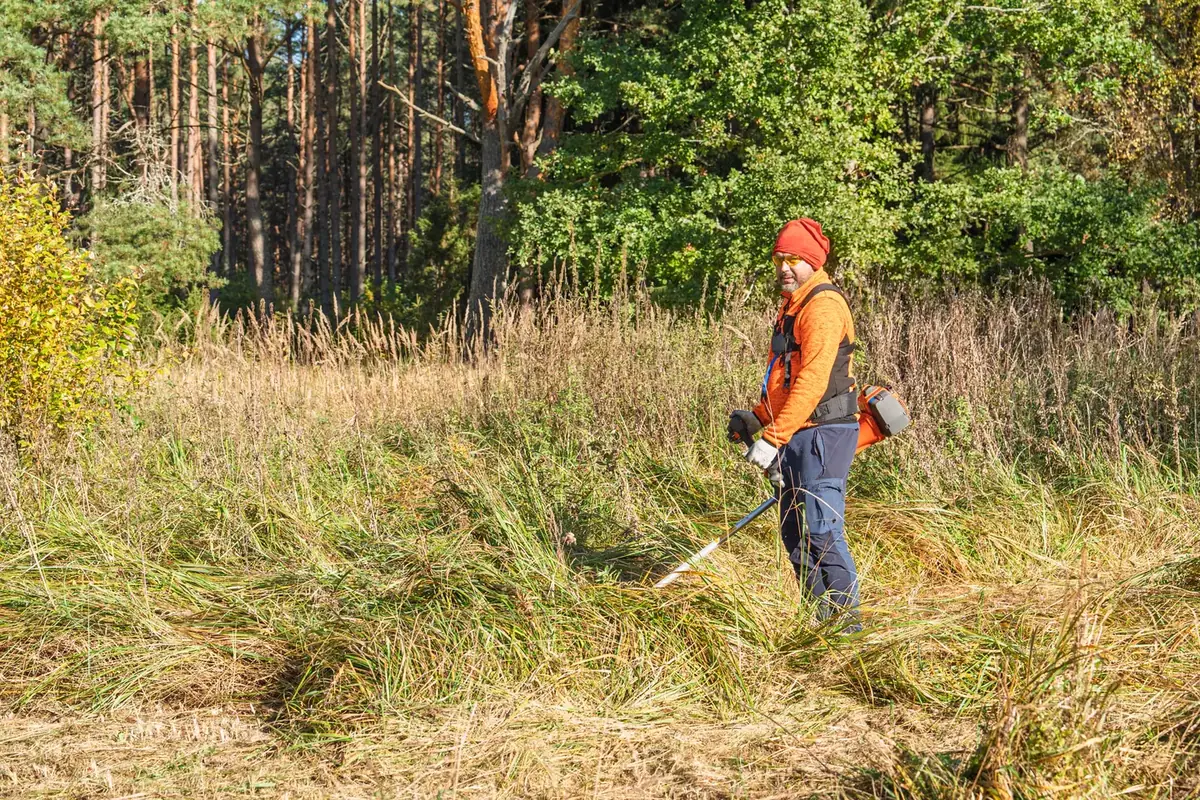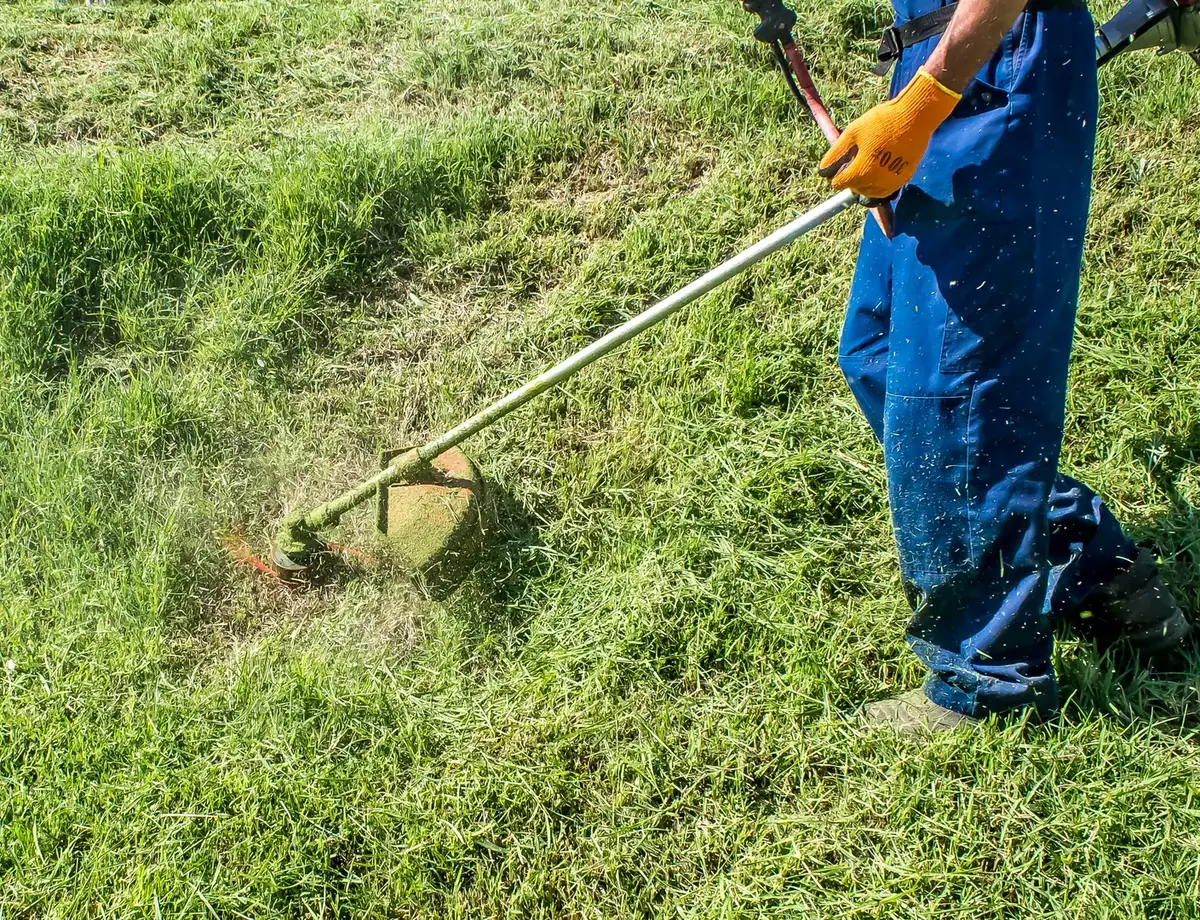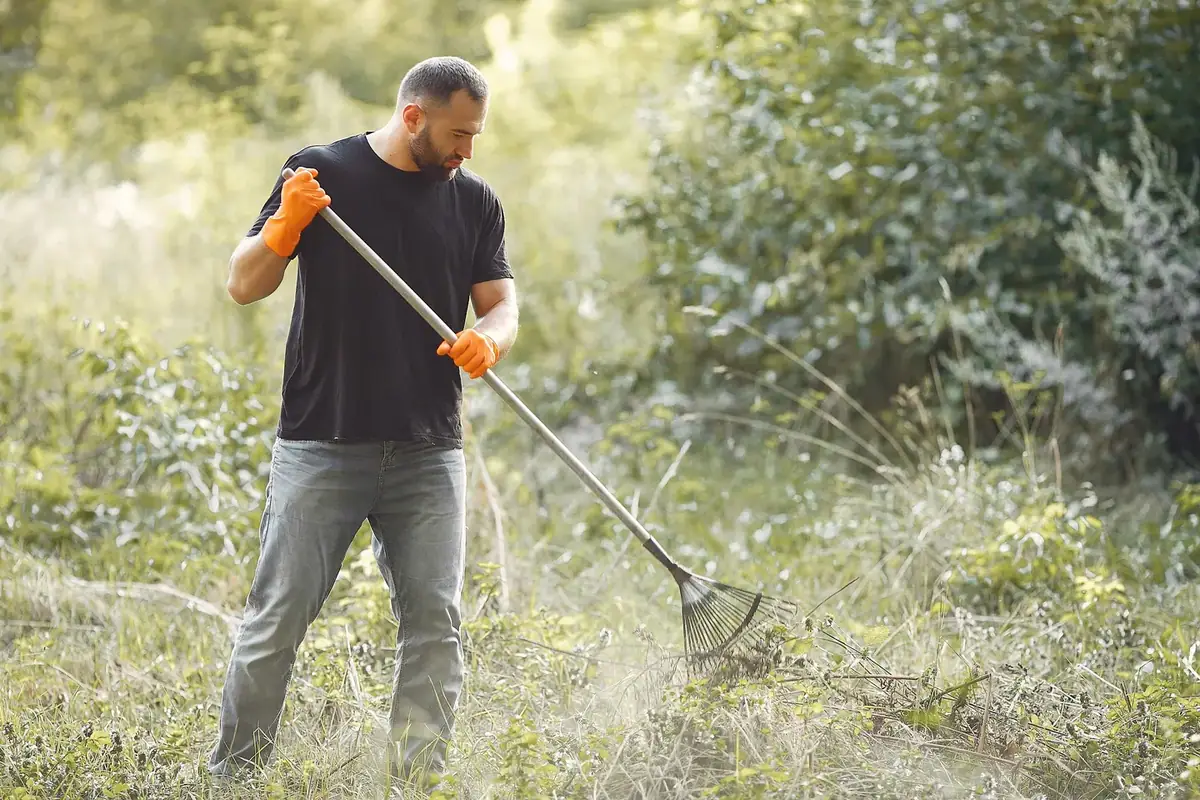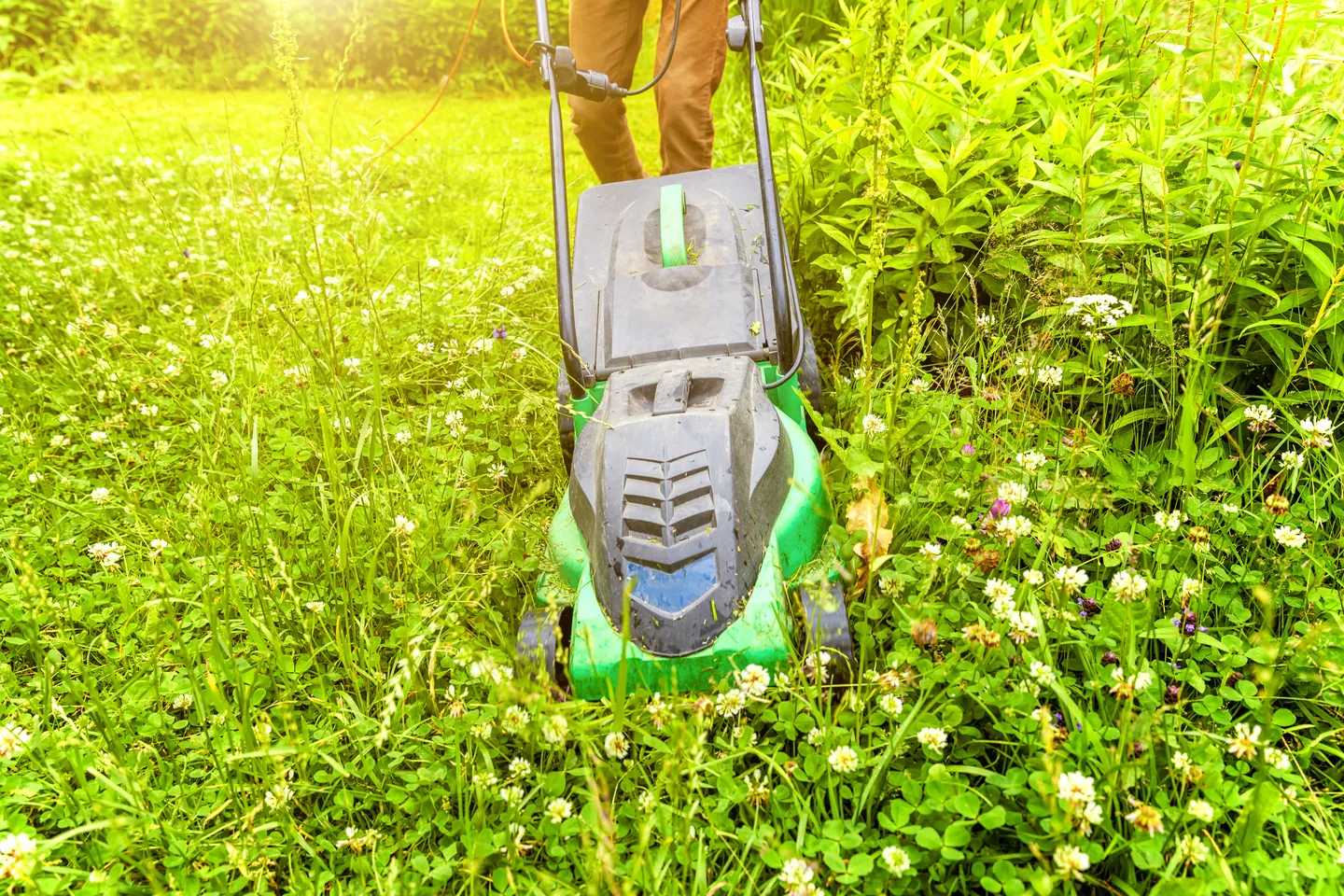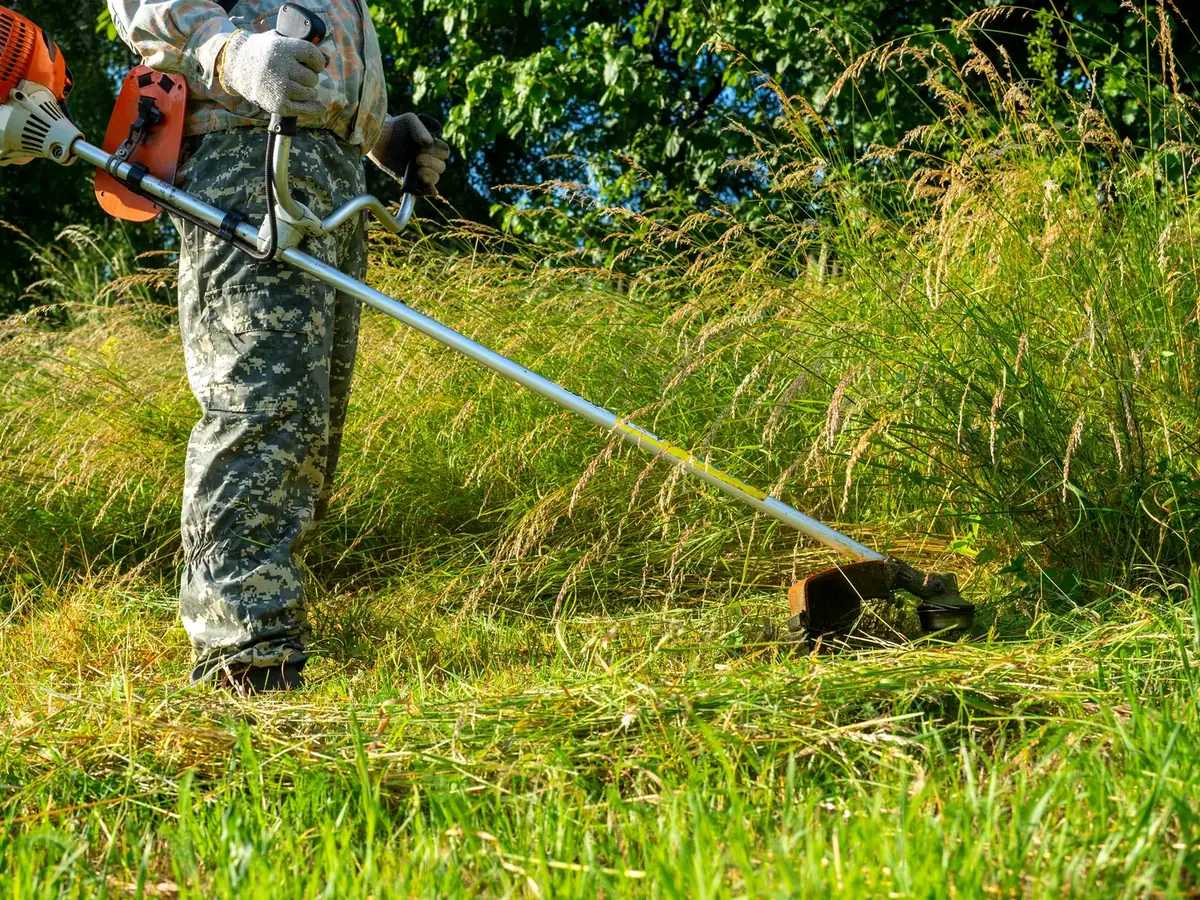
An undeveloped urban plot should be assessed differently from an ornamental garden. Boundary walls, access gates, debris and ground visibility can matter more than the final appearance of the plants. The aim may be to recover access before planned building work, check the condition of the land or control vegetation around a fence. None of those objectives means that tree felling, excavation or the removal of other people’s possessions is automatically included. For plots in La Safor and La Ribera Baixa, we first establish the precise area and the work requested.
Why an urban plot is not a garden
On an empty building plot, weeds and scrub may conceal rubble, concrete bases, old services, holes and remnants of fencing. These hazards can influence the tools chosen and whether an initial inspection is needed. Unlike a maintained garden, the priority is often visibility, controlled vegetation and a usable entrance rather than shaping flowering shrubs or preparing a lawn. It is important not to apply a domestic garden maintenance quotation to a parcel with unknown obstacles.
The owner may be preparing the land for a survey, construction visit or property inspection. Each purpose should be recorded separately. Cutting tall grass does not mean that structures will be demolished, trees uprooted or all waste transported away. Agreeing an intervention boundary and the expected condition after work prevents a routine clearing request from silently becoming a comprehensive site clearance operation.
Useful visual inspection before starting
Photographs from inside the plot help, but the gate, road, boundary and likely equipment route are equally important. Land that looks level from the street may contain changes in height, inspection chambers or piles of material hidden under vegetation. Where the ground cannot be seen, an estimate based solely on photographs must remain provisional. We need to understand whether access is through a small pedestrian gate or a wider vehicle entrance.
Owners should identify known underground services, trees or plants to be protected and objects that must remain undisturbed. Marking sensitive areas reduces the likelihood of accidental damage. If access is unsafe, nobody should enter simply to obtain a more impressive photograph. The first intervention may reveal additional obstacles, and the contract should explain how such findings will be reported before any change in price or equipment.
Vegetation clearing versus removal of objects
Cutting herbaceous weeds and light scrub is part of vegetation management. Tyres, furniture, plastic, glass, concrete rubble and construction material are a different waste stream. They may require different transport, separate permissions and an authorised treatment route. These objects must not be knowingly shredded or mixed with green cuttings. Suspected hazardous materials call for appropriate specialist assessment rather than handling them as ordinary garden waste.
A clear sequence is to expose the ground carefully, identify what is present, remove only the materials included in the proposal and leave the agreed entrance usable. A fully emptied plot is not the same product as a cut-down vegetation cover. We avoid vague expressions such as ‘everything included’ unless the types of waste, loading, transport and exclusions are explicitly described.
Fences, boundaries and neighbouring property
Vegetation can be especially dense around perimeter walls and boundary fences. It must be assessed whether it can be cut from the client’s side without damaging pipes, posts or adjoining plants. A contractor should not cross onto a neighbouring plot or use someone else’s entrance without permission. Trees that overhang a boundary or plants claimed by several owners require separate clarification before significant pruning.
Public footpaths also matter. If branches and cuttings could fall into a pavement or the work would occupy a public space, the applicable local arrangements need to be checked. Passers-by must not be put at risk for the sake of finishing faster. The work date and equipment should only be confirmed after access and safety conditions are understood.
What does a finished plot look like?
The result depends on what has been purchased. A basic brush cut may leave short stems and vegetation in an agreed area. A service including collection and removal adds further work. Root extraction, grading, soil preparation, demolition and fencing are different operations. A written description lets the owner compare quotations that genuinely cover the same result.
Before-and-after photographs from similar viewpoints may help confirm that the agreed area has been worked on. They do not prove deep root removal or guarantee that weeds will not regrow. If building work will start later, scheduling the clearing close enough to the next stage can avoid a second intervention simply because the vegetation grows back while the site is idle.
Local requirements and responsible treatment
Municipalities may establish rules for maintaining vacant plots, disposal of waste and activities affecting roads or neighbours. Requirements are not identical for every property. Land close to forest vegetation may also be subject to particular restrictions. We check the applicable conditions for the specific location rather than claiming that one method or one date is suitable throughout the region.
Vegetation clearing does not remove every environmental or fire risk. Cut material is not ordinarily burned as part of the service; its handling must follow the authorised routes and restrictions. If the owner has received a formal notice from an authority, sharing the relevant requirements helps define an accurate scope before work begins.
Preparing your request
Send the municipality, approximate location, estimated surface, access photographs and views showing the density and height of vegetation. If possible, include a reference object in a photograph, but do not enter unsafe areas to provide measurements. Tell us whether there is a perimeter fence, whether the plot borders homes and whether cuttings must be transported away. This allows us to assess the likely resources and identify any necessary visit.
A vacant plot can require plant clearance, non-vegetal waste removal or both. They should be priced separately. The main brush-clearing guide explains the broader service, while our pricing guide shows why accessibility, density and waste handling are just as important as square metres. For enquiries, call Terranova Services on 657 781 288.
Frequently asked questions
Does the service include building rubble?
Not automatically. Rubble and other non-vegetal waste require a separate assessment and quotation.
Can we clear growth along the public pavement?
We assess the boundary and check municipal requirements if public space could be affected.
Can clearing be done before construction starts?
Yes, provided it is distinguished from earthworks and general construction-site preparation.
What if hidden objects appear during work?
The situation is reviewed and communicated before adding tasks or changing the quotation.
See the main brush-clearing guide and the garden clean-up service for related but distinct operations.
Tell us about your garden
Send the municipality, a brief description and photographs if you have them. We will confirm the next step and availability.
Brush-clearing specialities
Vacant plots, fincas, prevention and prices explained in detail.