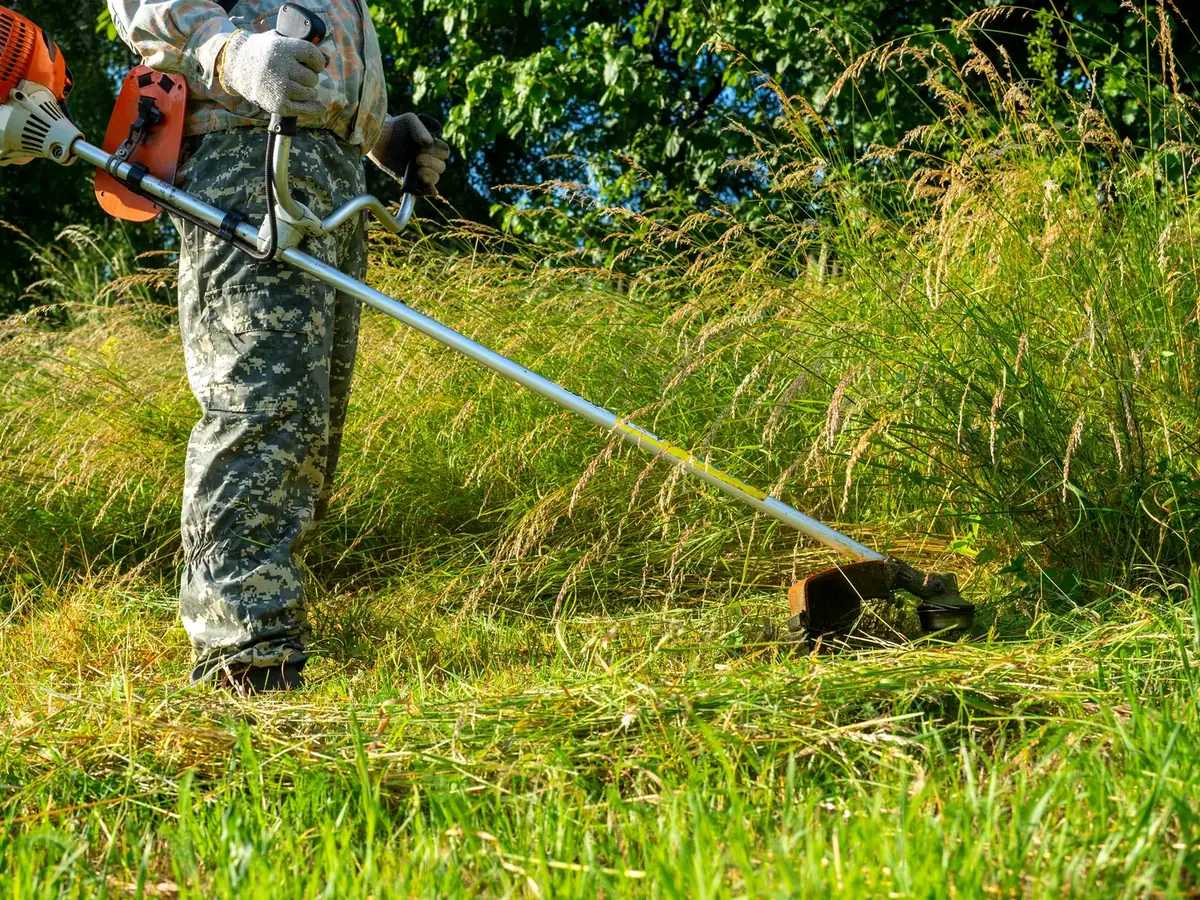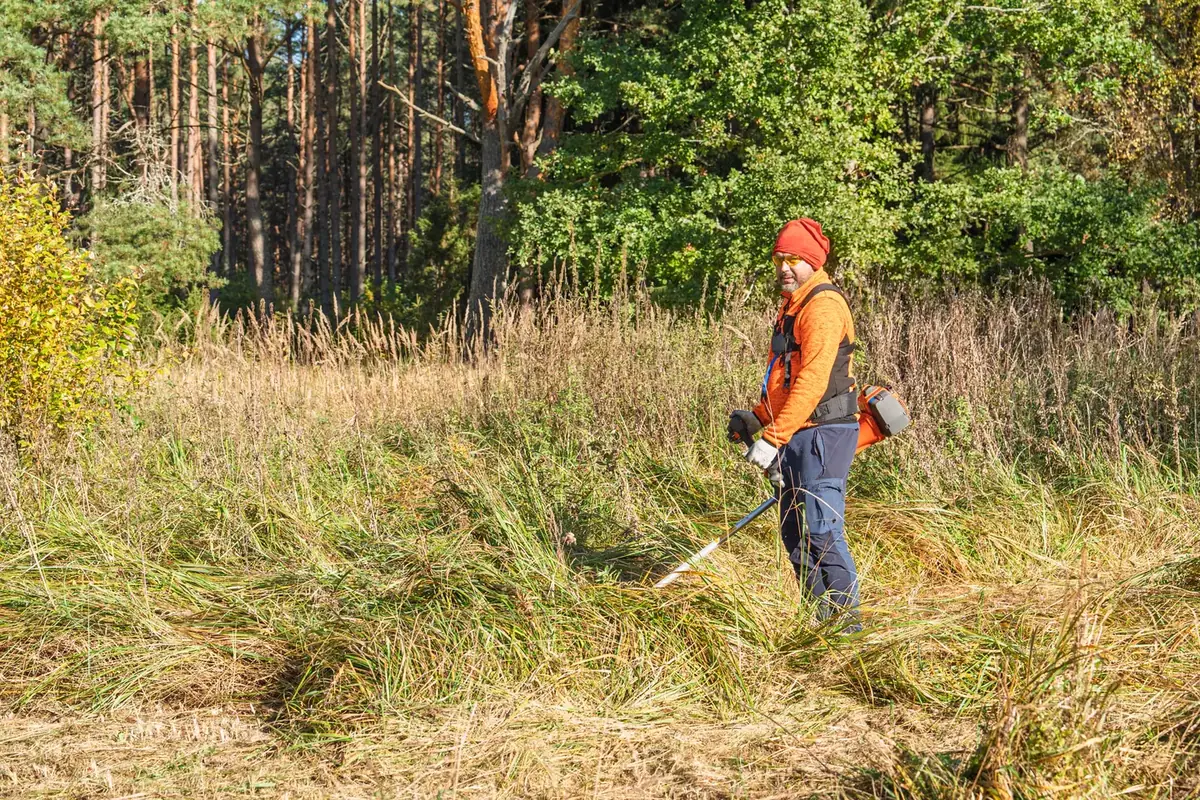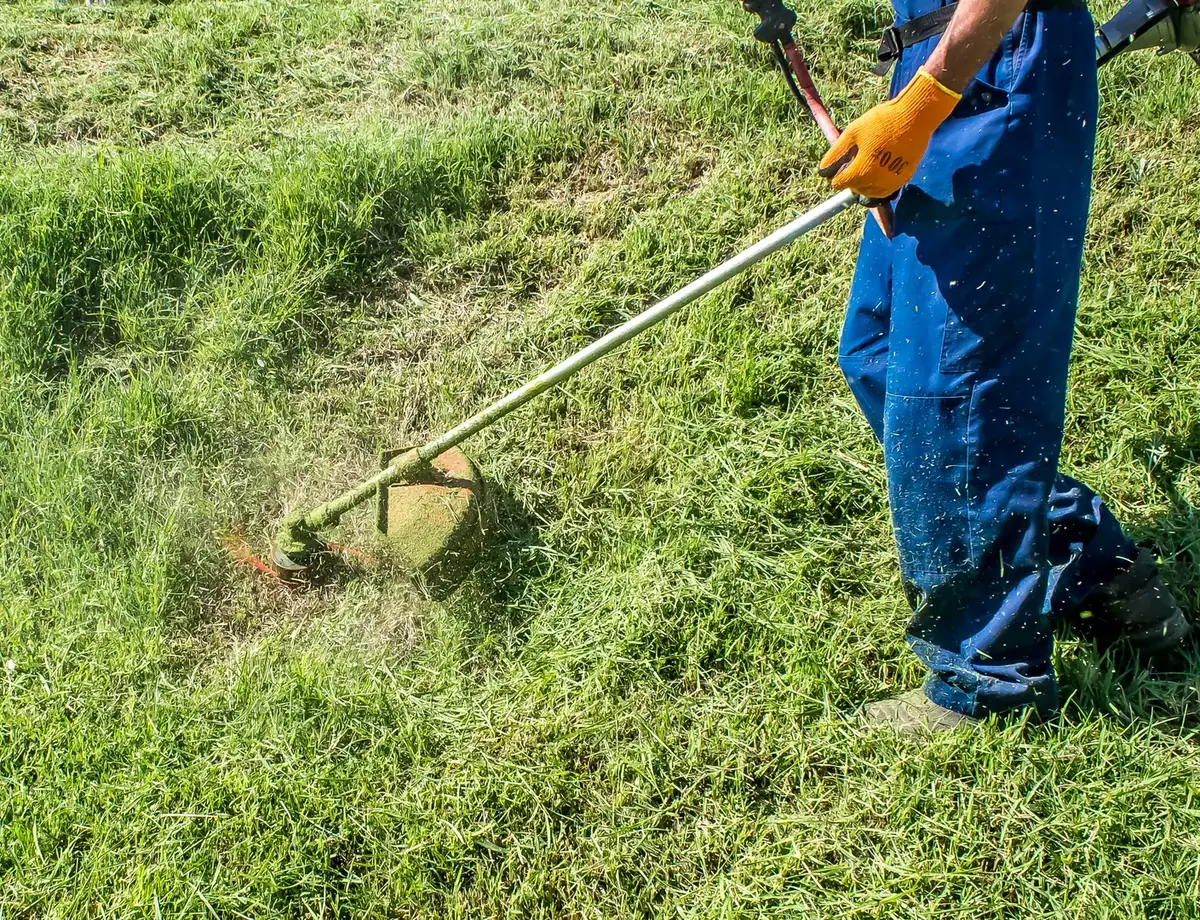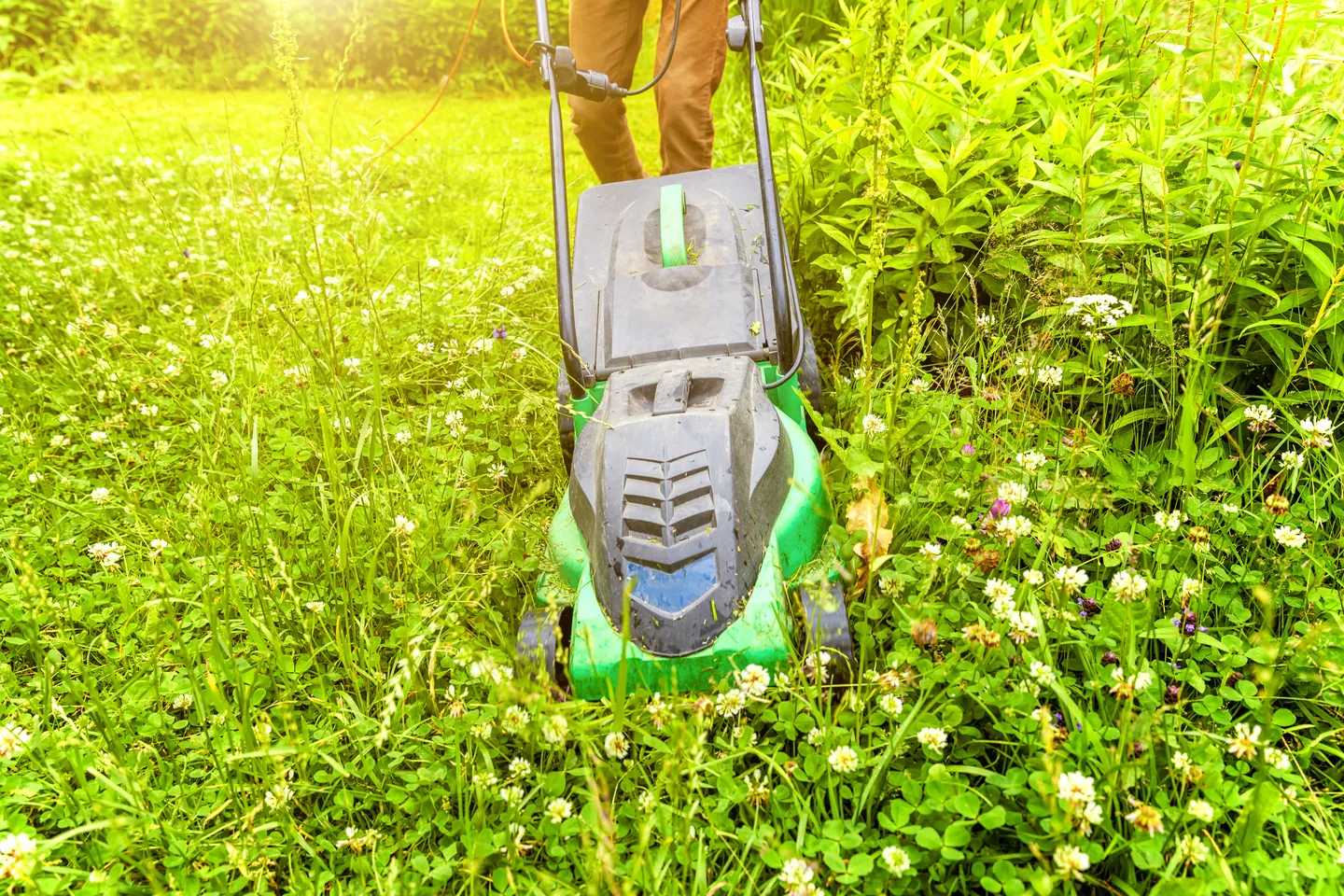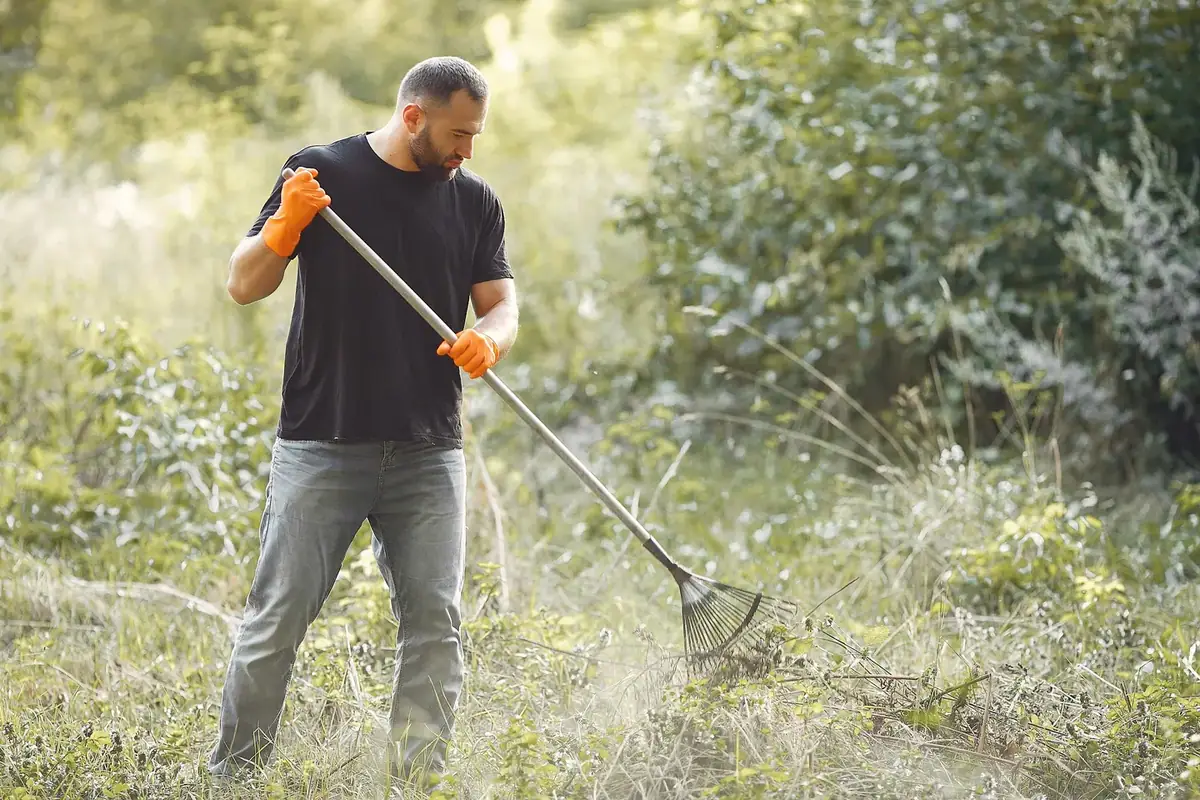
A price per square metre has little meaning until the vegetation, access and destination of the cut material are known. Two plots with the same surface area can require very different amounts of work. One may have light grass on level, accessible ground; another may contain tangled brambles, stones, steep terraces, hidden rubbish and a narrow entrance. In La Safor and La Ribera Baixa, Terranova Services prepares brush-clearing estimates according to the actual tasks rather than advertising a universal price that could be misleading.
Why square metres are not enough
Surface area matters, but it cannot be considered in isolation. A small plot filled with dense scrub may take longer than a much larger open area with low grass. Hidden walls or uneven ground can alter the tools, safety precautions and time required. If the owner does not know the precise area, an approximate measurement, a sketch or a voluntarily shared cadastral reference can help us understand the location.
We also need to know what result is expected. Cutting vegetation low is different from collecting it, loading it, removing it and clearing every object from the land. A quotation based on the wrong finish cannot be compared fairly with one that includes disposal. Defining the final condition is therefore as important as measuring the site.
Density and type of vegetation
Dry fine grass, woody scrub and brambles caught in fencing are not the same task. Nor does cutting annual growth necessarily prevent species with strong underground roots from returning. If there are ornamental shrubs, fruit trees or other valuable plants, these should be marked as protected. The team must also be aware of stones, irrigation pipes and other obstacles that may be concealed.
Photos from several angles, including a safe visual reference for plant height, make the first assessment much more useful. A photograph of one clear corner does not describe a whole overgrown parcel. Where the ground cannot be seen or the vegetation is very dense, a visit may be necessary before a reliable price is agreed.
Access and working capacity
Being close to a road does not mean that vehicles and equipment can reach the work zone. A narrow gate, long internal path, terraces, steep slopes or a lack of parking can change both the work method and waste removal. The resources needed must be assessed from these practical conditions. It would be unrealistic to promise the same number of labour hours for every plot with a given surface area.
Shared entrances, residential community rules and acceptable working hours may also affect the plan. If the work is near neighbouring property or a public pavement, additional coordination may be necessary. Good access photographs help prevent changes to the agreed estimate once the team arrives.
What happens to the cut vegetation?
Cutting is one job; collecting and transporting is another. An offer might cover trimming and leaving material neatly at an agreed point, while another includes gathering, loading, transport and authorised waste handling. The distance to the vehicle and volume of material can substantially affect the time needed. The client should know precisely which of these operations is included.
Rubble, plastics, furniture, hazardous items and other non-vegetal materials must not automatically be treated as garden waste. They may need different handling or specialist disposal. If such materials appear beneath the growth, they should be identified and the scope revised before extra operations begin.
Phased work and ongoing maintenance
On a large property, it may be sensible to open access tracks and useful areas first, leaving lower-priority sections for a later visit. This spreads work and allows the owner to check the result before authorising the next phase. Where vegetation regrows quickly, a selective follow-up programme can help maintain access without repeating a major clearance on every visit.
A second home with seasonal occupancy may benefit from checking paths and gates at an agreed interval. However, no calendar guarantees that weeds will stop growing. Rainfall, plant species and exposure continue to influence regrowth. The quotation should explain the difference between an initial clearing task and future maintenance, so that clients are not charged for a promise that cannot be kept.
What the written quotation must state
A clear quotation identifies the area or boundaries, operations included, exclusions, treatment of cuttings, expected work conditions and final price with applicable taxes. It should explain what happens if the ground reveals unforeseen obstacles and whether the agreed work can be performed in a single phase. The aim is not simply to give the lowest number but to ensure the client understands what is being compared.
Where local or forest-related restrictions apply, those conditions must be checked before equipment and dates are confirmed. A price that ignores safety or lawful disposal is not a reliable basis for comparison. Ask competing providers to specify whether fence edges, dense woody scrub and waste transport are included in their offers.
How to request a useful estimate
Send the municipality, approximate area, several photographs, the type and height of growth, and information about gates, roads and vehicle access. Explain whether you want the cut material removed and which trees or plants should remain. The more clearly the scope is described, the easier it is to identify whether a remote estimate is possible or whether a visit is needed.
Terranova Services evaluates work in La Safor and La Ribera Baixa subject to availability. The main brush-clearing guide explains the service, while the pages on urban plots and rural fincas describe different work conditions. To request an estimate, call 657 781 288 or use the contact form.
Frequently asked questions
Do you have one fixed price per square metre?
No. Density, slope, access and handling of vegetation need to be assessed.
Is removal of the cut material included?
Only if expressly stated in the quotation.
Can a large finca be cleared in stages?
Yes, when the areas can be defined and the work is feasible.
Can you quote from photographs alone?
Sometimes, but hidden obstacles or difficult terrain may require a visit.
See the main brush-clearing guide and the garden clean-up service for related but distinct operations.
Tell us about your garden
Send the municipality, a brief description and photographs if you have them. We will confirm the next step and availability.
Brush-clearing specialities
Vacant plots, fincas, prevention and prices explained in detail.