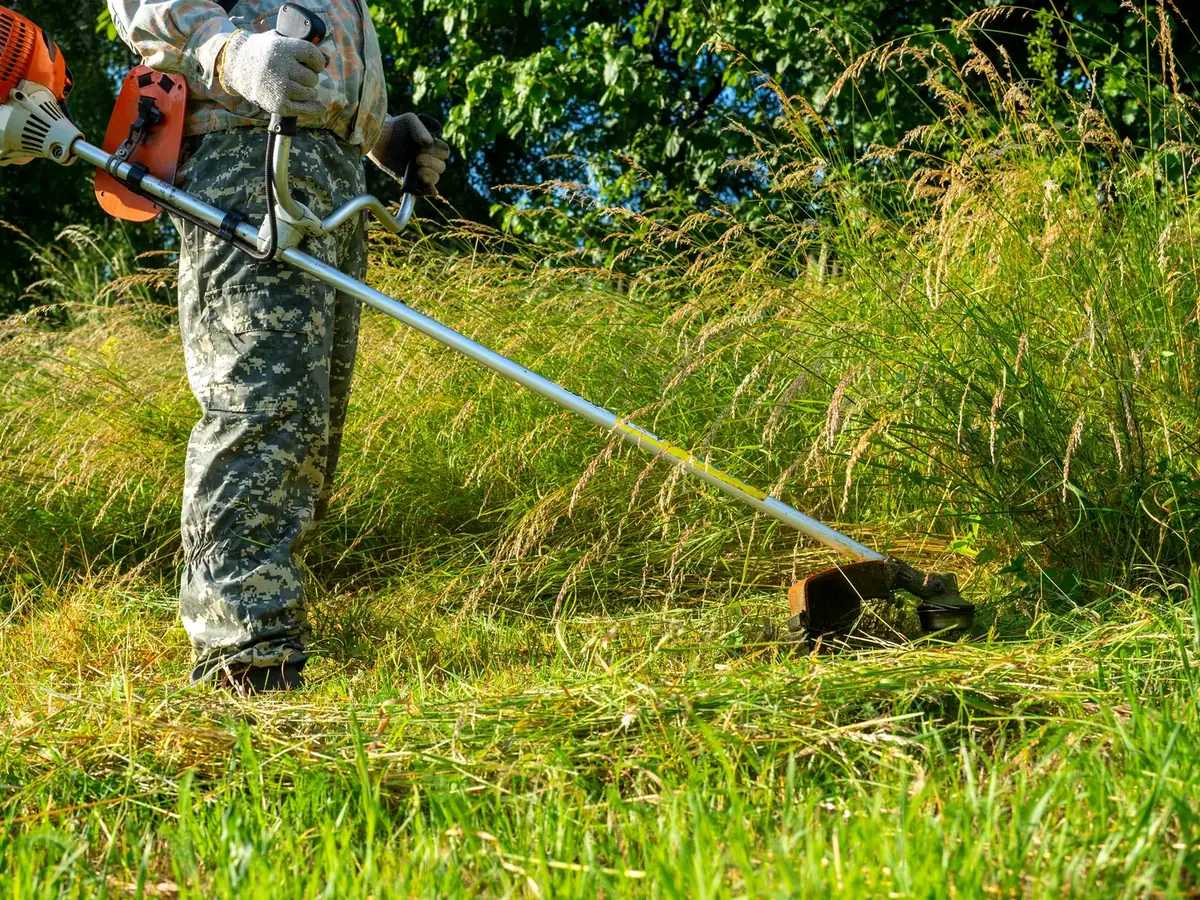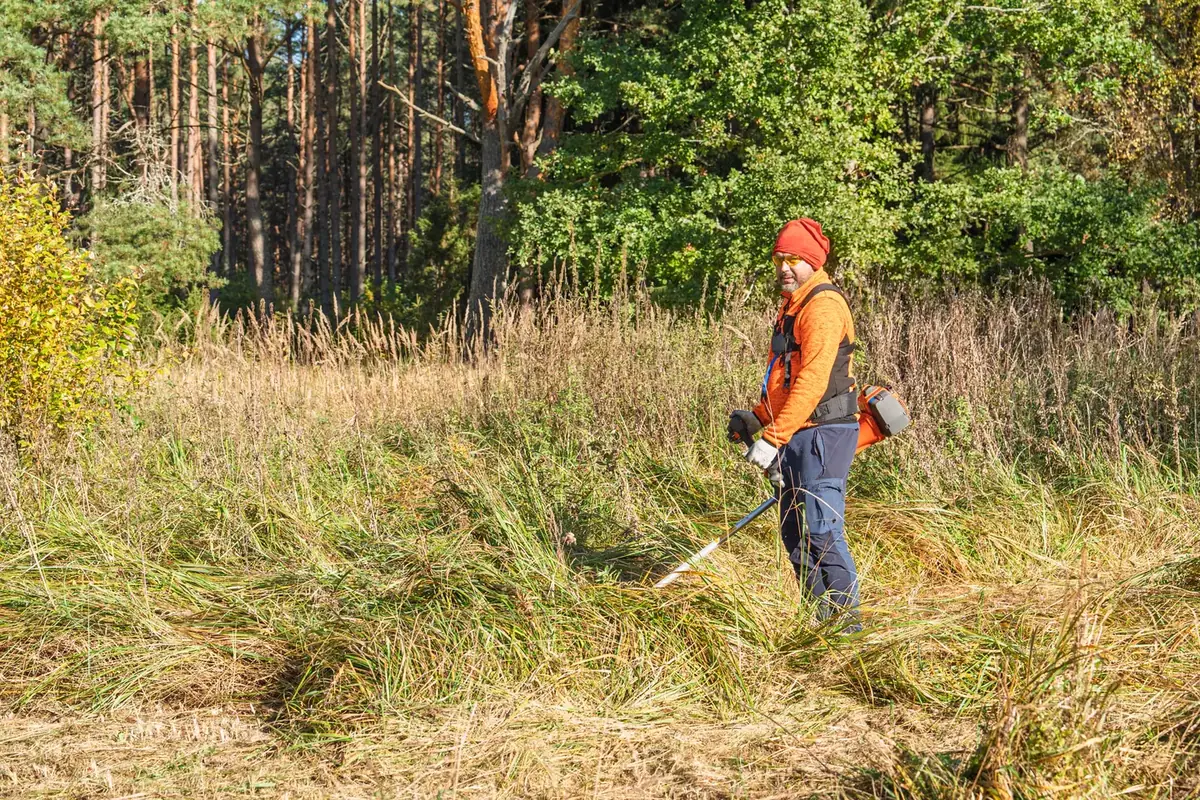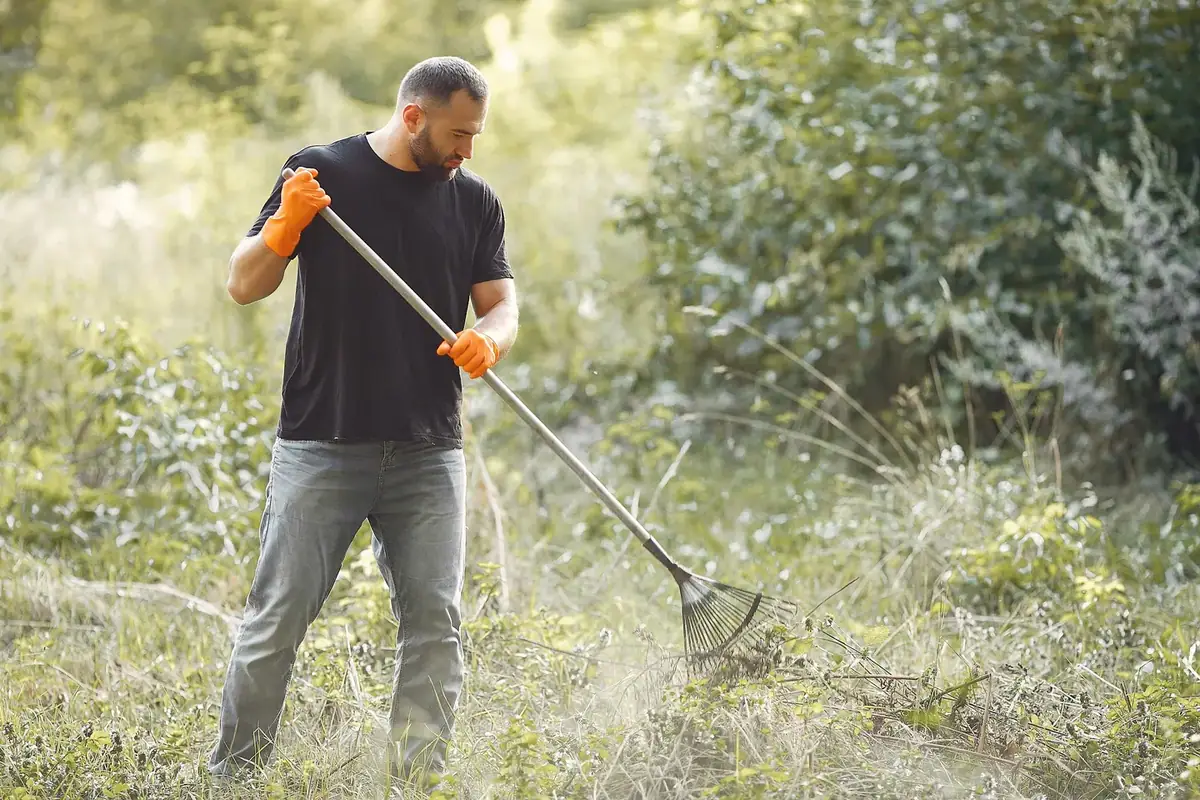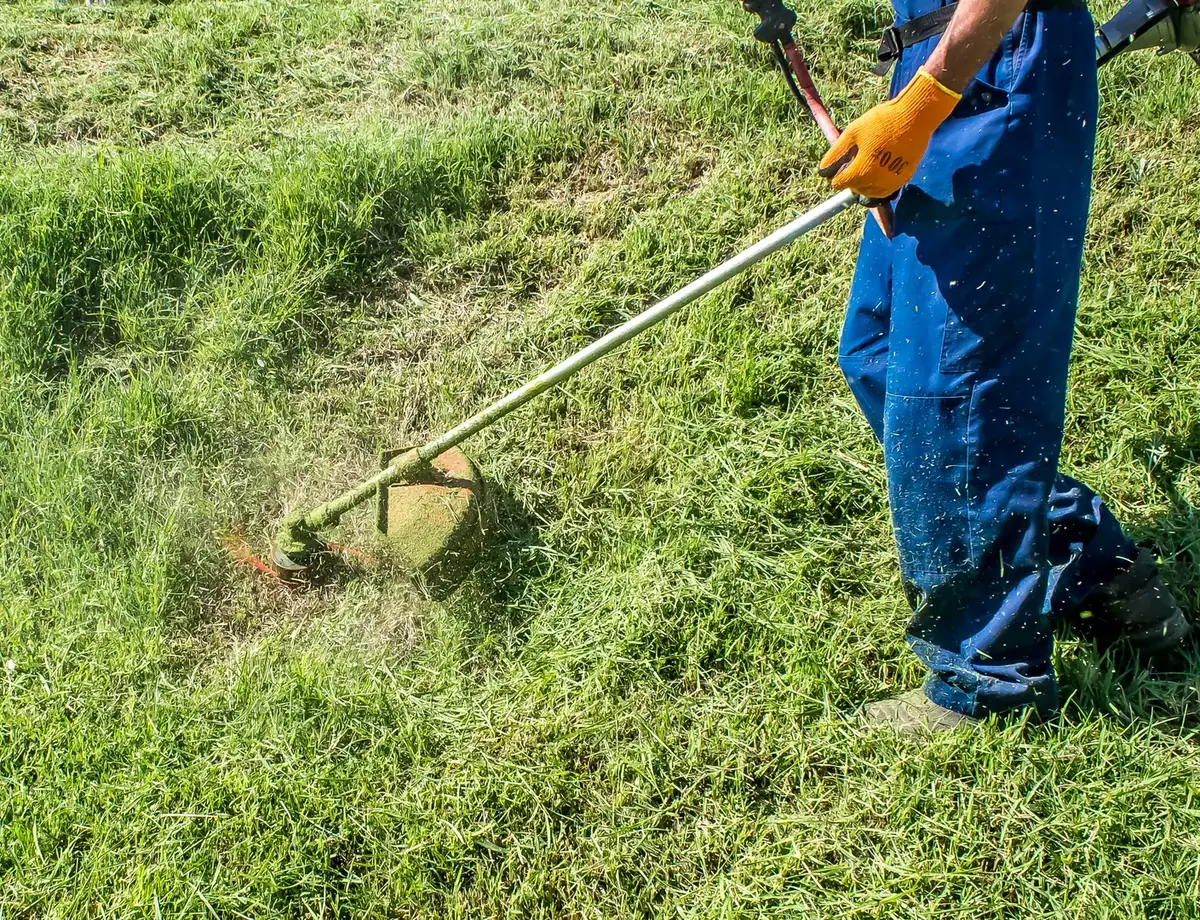
Preventive vegetation management must be based on the actual location and applicable requirements, not on a universally invented strip width. Around buildings, tracks or property boundaries, certain vegetation may contribute to the spread of fire or obstruct access. Reducing that vegetation can be one measure within a wider plan, but a simple brush-clearing operation cannot guarantee protection or certify full compliance. We assess requests in La Safor and La Ribera Baixa according to the site, the documents available and safe working conditions.
What preventive brush clearing means
The expression generally describes vegetation work intended to manage growth in places where its accumulation may increase particular risks. It might concern a track, the surroundings of a building or a defined boundary zone. The aim is not automatically to remove every plant. The owner should describe the objective, which areas need treatment and whether a formal requirement has been received from an authority.
Homes close to woodland or the urban-forest interface can be subject to specific preventive instruments. Their dimensions and obligations vary by location and legislation. We do not announce a single compulsory strip width for every property or claim that one visit certifies a fire-protection plan. Official conditions must be checked before a quotation is presented as satisfying a legal requirement.
The land determines what is appropriate
An urban garden, a peri-urban parcel, agricultural land and forest land do not follow identical rules. Slope, drainage channels, protected species, neighbouring land and potential erosion can influence the method. Before intervening, it may be necessary to clarify the classification of the property and whether there are restrictions on the use of equipment or removal of particular vegetation.
Satellite images can provide an overview of continuous plant cover, but they are not enough to identify all species or the condition of a slope. A ground assessment or administrative confirmation may be needed. Removing a stable cover indiscriminately can worsen soil erosion, especially on steep terrain. A responsible plan identifies what to manage and what to retain.
Priorities near a dwelling
An assessment around a home can identify entrances, emergency access, areas with dry accumulated material, irrigation equipment and vulnerable structures. The owner may decide to prioritise usable paths and defined areas close to buildings. The intervention should not be described as a complete fire-risk solution when it addresses only ground vegetation or a small part of the property.
Different plants behave differently; not all vegetation must be removed. A healthy, properly maintained ornamental garden can form part of property management. Excessive clearing can leave bare ground exposed to erosion or other problems. The exact approach should therefore be determined by site conditions and, when relevant, the official prevention documentation.
Machinery, season and safe decisions
Mechanical work may be restricted during certain periods, especially in forest land and its areas of influence. Rules and risk levels can change, and a date that appears convenient may not be suitable for using equipment. A responsible contractor checks the relevant conditions rather than assuming that the same machine can operate everywhere throughout the year.
The work plan must also consider access, safe movement and the possibility of delaying or suspending the operation when conditions become inappropriate. We do not publish operational instructions for hazardous machinery. The purpose of the service page is to explain the assessment and scope a client should expect, not to suggest that untrained people perform risky clearing operations.
Green waste and burning restrictions
Cut plants can accumulate into significant piles and may need collection, transport or authorised treatment. Leaving them on the plot and removing them are different services. The chosen handling method depends on the location, the material and applicable restrictions. Burning should never be assumed to be part of an ordinary clearing quotation.
Other waste found beneath the plants, such as plastics or debris, needs a separate assessment. Before beginning, the contract should identify what area will be cut and what will happen to the resulting material. This avoids a superficial intervention that merely moves a possible problem from one part of the property to another.
Not a substitute for a protection plan
Some prevention plans include additional requirements for trees, access, distances and periodic upkeep. Cutting weeds does not prove that all these measures have been carried out. Building design, access routes, continuous vegetation and weather conditions also influence fire risk. No contractor should promise complete protection against fire through a single garden-clearing visit.
Where the property is subject to a formal requirement, the owner should retain the notice, the agreed scope, photographs of the intervention and any relevant waste documents. Such records can be useful, but they do not automatically constitute an official compliance certificate. Technical or administrative confirmation may be necessary for a regulated plan.
Requesting a responsible assessment
Send the municipality, approximate site location, estimated area and clear photographs of the vegetation and access. If you have an official notification or a preventive management plan, provide the relevant requirements while protecting personal details. This allows us to identify whether the request is for ordinary vegetation cutting or a regulated intervention that calls for further confirmation.
Terranova Services reviews requests according to scope and availability. We cannot provide permits belonging to public authorities, and we will not promise compliance without checking the applicable rules. Contact us on 657 781 288 for a preliminary assessment, including whether a visit or additional documentation will be needed.
Frequently asked questions
Does brush clearing guarantee protection against wildfire?
No. It can be one measure within a broader plan but cannot eliminate the risk.
Is the same safety strip compulsory for every property?
No. Applicable measures depend on the location and the relevant legal instrument.
Can machinery restrictions affect scheduling?
Yes. Seasonal rules and risk levels may change the dates on which work is possible.
Does the price include burning the waste?
No. Burning is not part of ordinary clearing and is governed by separate restrictions.
See the main brush-clearing guide and the garden clean-up service for related but distinct operations.
Tell us about your garden
Send the municipality, a brief description and photographs if you have them. We will confirm the next step and availability.
Brush-clearing specialities
Vacant plots, fincas, prevention and prices explained in detail.