Good tree work is not about cutting as much as possible. A sensible intervention starts with identifying the tree, understanding the problem to be solved and considering how each cut may affect future growth. Jardines Safor & Ribera, managed by Terranova Services, assesses enquiries about tree pruning, palm maintenance and tree removal in Gandía, Oliva, Tavernes de la Valldigna, Cullera, Sueca and other parts of La Safor and La Ribera Baixa. We first establish the scope, access conditions and equipment the job would require.
Pruning, remedial work and felling: three different decisions
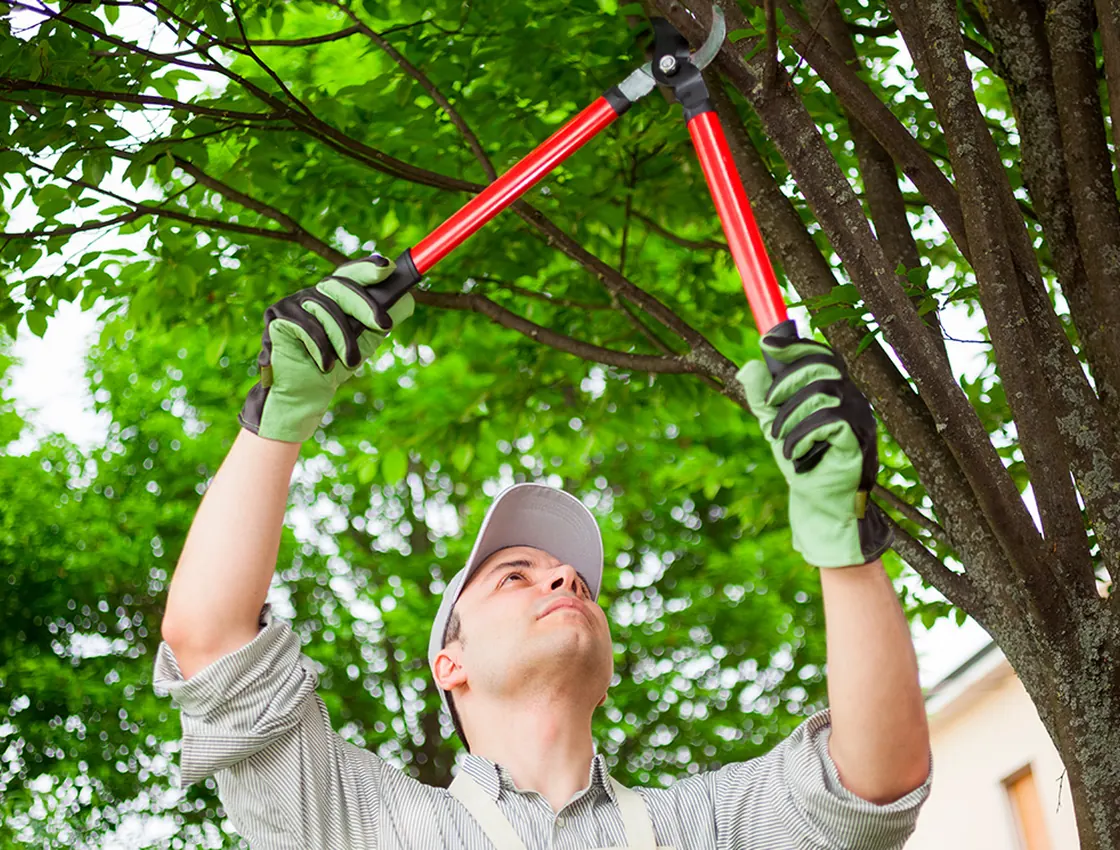
Pruning means selecting and removing particular branches or parts of a plant for a defined purpose. That might be clearing an entrance, addressing interference with a building, removing deadwood or helping to maintain a structure compatible with the space. Remedial work concerns deteriorated growth or features that deserve attention because of their condition. Felling is different: it removes the whole tree, with much greater consequences and potentially additional permissions.
Not every request to reduce the crown should lead to heavy pruning. An excessive reduction can stimulate weak shoots, upset the tree’s balance and leave large wounds. When a client asks us to make a tree “much shorter”, we need to know the species, dimensions, reason for the request and any restrictions around it before proposing a method. Sometimes a carefully targeted cut is more useful than a drastic change to the entire canopy.
Ornamental trees: each species needs a different approach
Mediterranean gardens contain olive trees, mulberries, jacarandas, ficus, fruit trees and many other species with very different growth patterns and responses to pruning. A mulberry next to a terrace does not behave like an old olive or a mature pine. The appropriate time for intervention also depends on the tree’s condition, the intended outcome and local weather. We therefore avoid claiming that every tree should be pruned in the same month.
The practical aim is generally to preserve a useful tree that remains compatible with everyday life in the garden. Low branches over a walkway, growth rubbing against a façade or a crown reaching towards a swimming pool are specific issues to assess. It is important to determine which branches can be removed without unnecessarily changing the tree’s structure. Older trees, significant defects and visible deterioration may justify a more specialised assessment.
Palm trees: selective cleaning, not indiscriminate cutting
Palm trees deserve their own approach. Removing dry fronds, old fruit stalks or loose material is not the same as stripping green leaves until only a small crown remains. Excessive pruning may weaken a palm and create wounds that increase its vulnerability. Where there are signs suggesting pests or disease, cosmetic cleaning is not a substitute for a suitable plant-health assessment.
Our palm-care information explains how maintenance of tall specimens is considered, why access and waste removal influence pricing and why the timing of an intervention matters. Red palm weevil is dealt with separately: visible symptoms can raise suspicion, but they do not by themselves amount to a professional diagnosis. The objective is to take a measured decision rather than to promise that heavy cutting will solve every problem.
Tree felling: when removal may be the appropriate option
Sometimes an owner asks to remove a tree because it no longer fits the available space, has serious damage or interferes with planned building work. Even so, inconvenience does not automatically justify felling, and removing a tree may require checks first. Local rules, tree protection and the presence of nesting birds or other environmental considerations can affect what is permitted and when work can take place.
If removal is appropriate, it is necessary to consider how branches or sections could be lowered, whether machinery can reach the tree, what obstacles are nearby and how much clear space is available. A tree in an open plot presents a different problem from one in a walled courtyard beside roofs or electrical lines. We ask for photographs of the whole tree and surroundings before deciding whether a site inspection is needed.
Pines: special attention to crown, height and surroundings
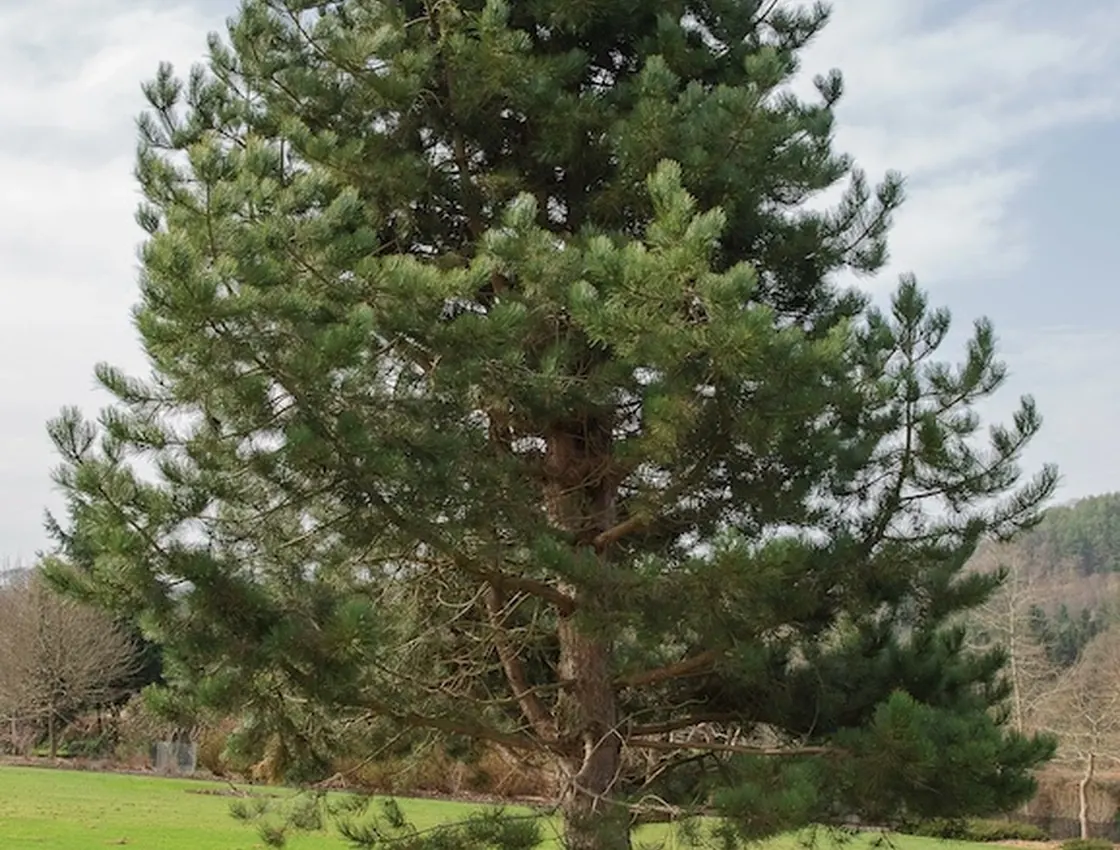
Pines are common in plots and residential developments along the Valencian coast. Their height, crown shape and proximity to homes can turn an apparently simple job into specialist work. A pine should not be clipped like a hedge, nor should its crown be reduced arbitrarily. Dead branches, access restrictions and the tree’s overall situation are important elements when planning an assessment.
A photograph of a pine cannot establish its structural stability. Recent leaning, cracks or other worrying signs require appropriate inspection before work is agreed. Needles and cones may create housekeeping issues, but clearing debris and deciding whether to prune are different matters. Removing healthy branches merely to reduce seasonal litter may not be the best solution for the tree.
Working at height: safety and access to the property
Difficulty is not measured by height alone. Slope, ground conditions, nearby windows, utility lines, branch condition and the possibility of establishing a safe working area all matter. Work at height calls for appropriate risk assessment, competent personnel and equipment suited to the method selected. Tree climbing, elevated platforms and work from the ground are not interchangeable options for every property.
Before suggesting a date, it helps to know whether a platform could enter the plot, where cut material might be placed and whether any access passes through a neighbour’s land. Jobs above roofs, narrow courtyards and steep slopes can require additional planning. A complex removal or suspended cutting operation should never be accepted on the assumption that the practical details can be improvised on arrival.
What happens to branches and green waste?
Cutting is only part of the job. Leaves must be gathered, branches may need cutting into manageable sections, and the material must be placed or removed as agreed. A garden can be pruned without being left completely cleared if waste removal was not part of the quotation. This is why we distinguish between stacking material safely on site, chipping where suitable, transporting it away and arranging disposal.
The amount of waste can be surprising: a medium-sized crown can occupy far more space once its branches are on the ground than it appeared to from the street. Costs depend on volume, access and the disposal method. Burning material should not be assumed to be permitted; applicable rules and local conditions must be checked first. Where the job also involves hedge trimming or a general garden tidy-up, these services can be assessed together while keeping each item explicit.
Preparing a quotation for tree pruning or felling
Four pieces of information make an initial assessment much easier: the municipality and approximate location, photographs of the full tree, a view of the trunk and surrounding area, and a description of the desired result. If you know the species or approximate height, include them; if not, there is no need to guess. Please show cables, roofs, pools, walls, steps, slopes and narrow access routes where relevant.
A quotation should distinguish the actual cutting or removal work from access equipment, debris collection, transport and any applicable travel costs. Some jobs allow an initial estimate from photographs; others need a visit, a further assessment or checks on permissions. A fixed price only makes sense once the scope is clear. We can discuss enquiries through our contact page, by WhatsApp or on +34 657 781 288.
Tree work in La Safor and La Ribera Baixa
We consider requests from Gandía and the Grau, Oliva, Tavernes, Xeraco, Bellreguard, Daimús, Cullera, Sueca and other nearby towns. Not every job has the same urgency or can be booked on the same dates. Coverage, availability and the feasibility of using specialist equipment are confirmed before a quotation is accepted, particularly for remote plots or complicated access.
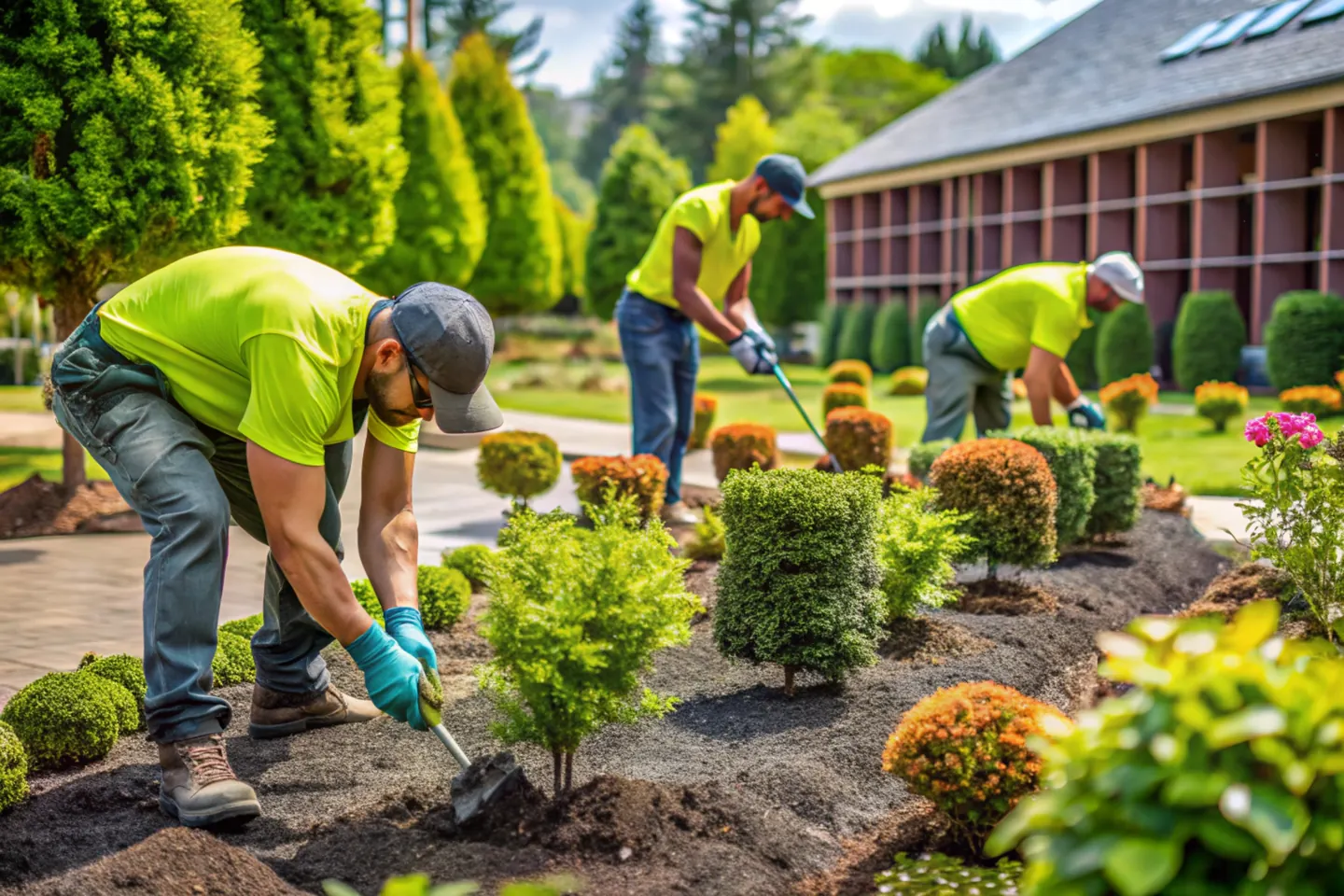
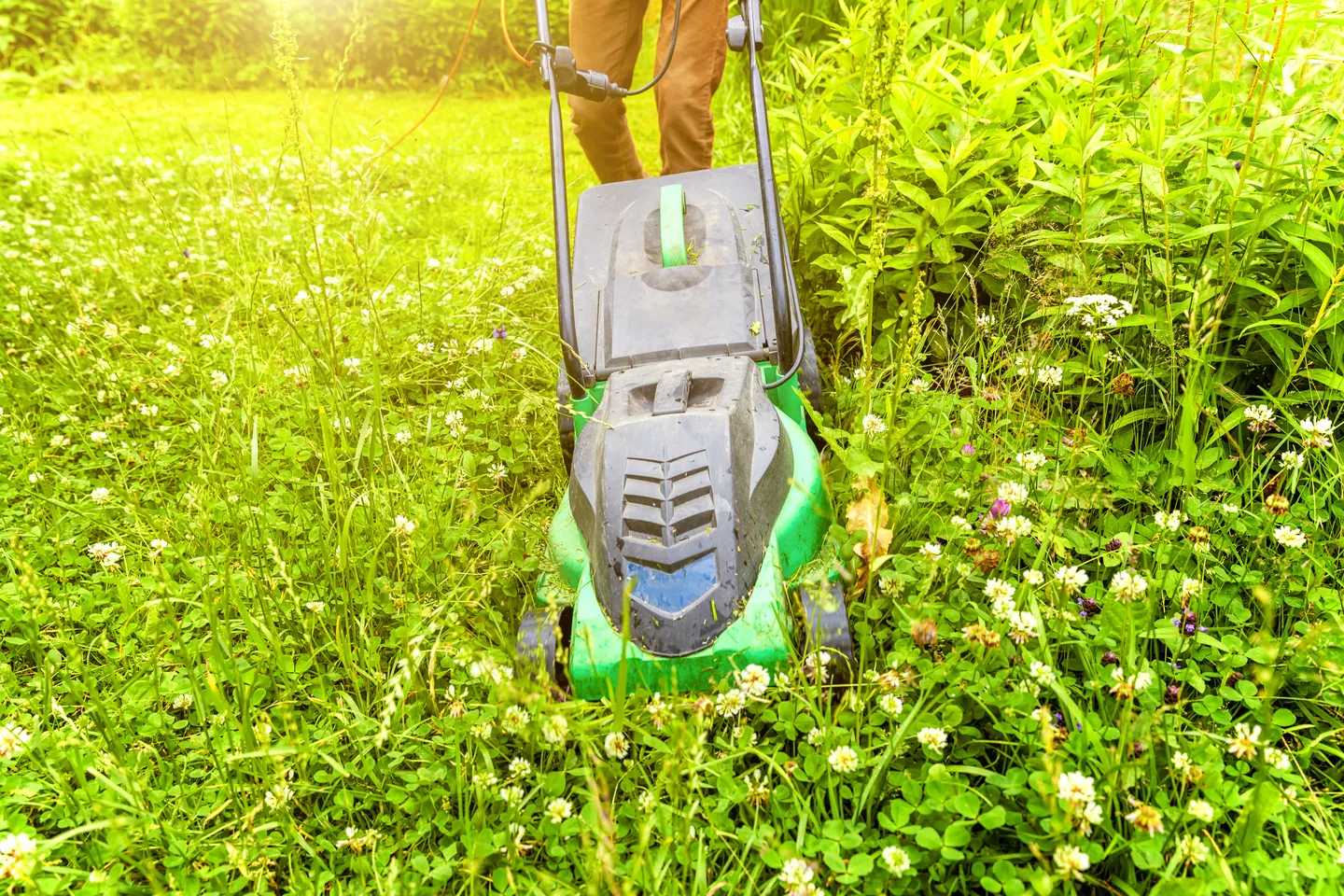
Planning related jobs together can make a visit more practical: one property may require a tree to be assessed, hedges to be trimmed and paths cleared. These tasks should still be described separately so the owner understands exactly what is included. For ordinary garden care, visit our gardening services; for the municipality itself, see gardening in Gandía or gardening in Oliva.
Frequently asked questions about pruning and tree felling
What is the best time of year to prune?
There is no universal date. The species, the purpose, the weather and any restrictions can all affect timing. Palm work also calls for consideration of pest risks.
Can you remove a tree very close to a house?
We can assess the request, but must examine dimensions, access, obstacles, equipment and possible permissions before confirming that the work is feasible or pricing it.
Is branch removal included in the price?
Only when expressly included in the quotation. Clearance, transport and waste management can be priced separately.
Can pruning be combined with ongoing garden maintenance?
Yes. We can consider a programme of regular garden care alongside periodic tree inspections. The schedule depends on the property and the work actually required.
Tell us about your garden
Send the municipality, a brief description and photographs if you have them. We will confirm the next step and availability.
Other tree-pruning guides