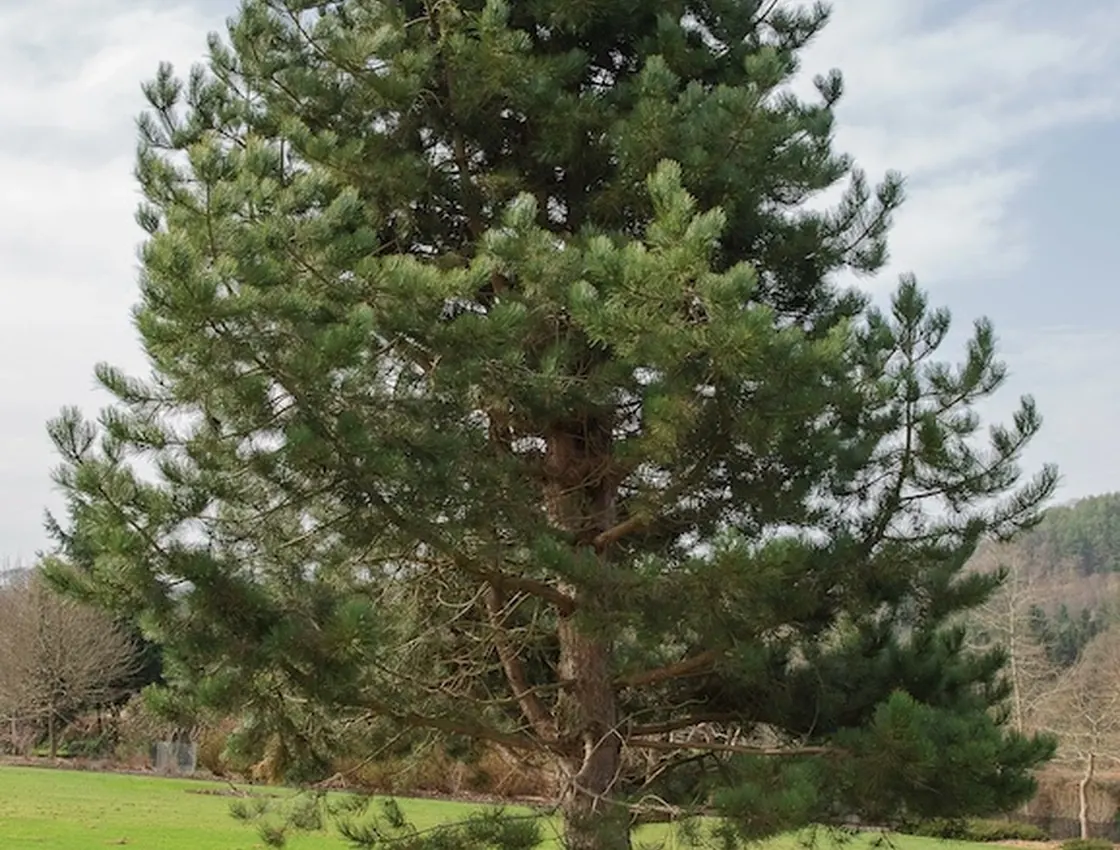
An olive tree may be the focal point of a Mediterranean garden or one of many productive trees on a property. Those two situations call for different pruning objectives. Terranova Services assesses the tree's age, form, condition and intended use before recommending cuts in La Safor and La Ribera Baixa. A decorative old trunk deserves particular care: the aim is not necessarily to increase harvest, but to preserve a healthy structure and the character for which the tree was planted. This guide explains the main choices and the limits of a quotation based solely on photographs.
Ornamental tree or productive olive?
Before choosing a pruning method, clarify whether the olive is grown for its appearance, fruit production or both. On a terrace, the trunk silhouette and balance of foliage may matter more than annual yield. In a productive planting, light penetration, access and the fruiting habit can have greater weight. Applying a uniform agricultural pruning scheme to a single ornamental specimen may remove branches that define its shape. We therefore ask what the owner wants to achieve and whether previous cuts have already affected the crown.
Understanding the natural structure
Each olive has a framework of trunk, main limbs and younger shoots that determines how light reaches the interior. Good pruning starts by looking at this structure, not by deciding beforehand to remove a fixed percentage of the crown. Dead, rubbing or badly positioned branches may deserve attention, but large cuts can leave lasting wounds. With mature specimens, the weight and angle of the remaining limbs also matter. The objective is to avoid an unbalanced crown and to conserve the tree's individual form where it is healthy and appropriate.
Water shoots and regrowth
Olives can produce vigorous upright shoots, particularly after previous pruning or changes in growing conditions. These are often described as water shoots, but not every new shoot should be removed indiscriminately. Some may be useful for rebuilding a crown or replacing older growth. Cutting them all at the wrong time can stimulate further regrowth without improving the tree. We consider their position, density and relationship to the main framework, together with the owner's priority: a tidy ornamental tree, manageable height or production.
Old olives and notable trees
A veteran olive deserves more caution than a young, vigorous specimen. Hollow-looking areas, old scars and unusual trunks are not, by themselves, instructions to remove large sections. Some trees may enjoy protection because of their age, size or local rules. Before proposing a major intervention, we check for possible restrictions and whether specialist conservation advice is warranted. The valuable shape of an old olive cannot simply be restored after aggressive cutting. Where its structural condition is uncertain, an appropriate assessment takes precedence over cosmetic pruning.
Season, weather and tree condition
There is no single ideal date for every olive and every type of work. Weather forecasts, frost risk, heat, recent stress and the extent of pruning all influence the decision. A small corrective cut for a genuine obstruction is different from restructuring the crown of a productive tree. We prefer to establish why pruning is needed before suggesting a suitable window. Work should also be postponed when wind, rain or ground conditions would make access or handling unsafe. A calendar recommendation is not a substitute for examining the actual specimen.
Access and protecting the garden
Many ornamental olives stand above gravel, beside a pool or within carefully planted beds. These surroundings affect where tools can be placed and how branches can be removed without damaging paving, lighting, irrigation or nearby plants. A low tree may still be awkward to work on if its trunk is enclosed by walls or fragile surfaces. The quotation should distinguish pruning from the collection and transport of residues. We can plan the protection of the work area and the final tidying, subject to what is agreed before starting.
Corrective pruning versus removal
A poorly placed branch or an uneven crown does not automatically mean an olive should be felled. Conversely, a tree with a significant structural concern should not be promised a purely cosmetic fix without assessment. There are important differences between light corrective pruning, a larger restructuring operation and total removal. Ownership, any protective status and local authorisations must be checked where relevant. The recommendation should explain what is feasible and what the limitations are, rather than turning every difficult request into a heavy cut.
What we need to prepare a quotation
Please send the municipality, the number of olive trees, an image showing each whole specimen and clear views of the trunk and the branches of concern. Explain whether they are ornamental or productive, and what you would like to change. Photographs of the access and of delicate elements around the tree help us plan. Let us know whether you want cuttings removed or kept on site. For larger, old or potentially protected specimens, a visit or a specialist opinion may be required before scope and cost can be confirmed.
How an appropriate proposal is organised
We start with the objective and the condition of the particular tree, then review the access, safety, waste and timing. A transparent proposal should separate work on the crown from optional clean-up and transport. It should not promise a guaranteed yield increase, guaranteed root control or a specific recovery following severe pruning. Where information is missing, we explain what needs to be checked. This approach is useful for a single ornamental olive as well as a group of trees in a private garden.
Olive pruning by municipality
We assess olive pruning enquiries in Gandía and Oliva, as well as other properties in La Safor and La Ribera Baixa, subject to conditions and availability. An ornamental specimen in a landscaped courtyard raises different considerations from a tree in a productive plot. Local surroundings, access, and possible protection remain important wherever the property is located. The existence of a municipal page does not represent proof that we have already worked on any particular tree there.
Why individual assessment changes the result
An olive is a long-lived tree whose form often carries much of its value. A careful intervention should respect the existing structure and the owner's reasonable objective. Rather than recommending the same annual reduction to everyone, we discuss what can be improved without unnecessary damage. Send Terranova Services photographs and a description of your olive trees. We will explain what further information is needed and whether we can assess the proposed work safely and responsibly.
Additional information
For a quotation, send us photographs and describe the access. The service is subject to safe working conditions and availability.
Tell us about your garden
Send the municipality, a brief description and photographs if you have them. We will confirm the next step and availability.