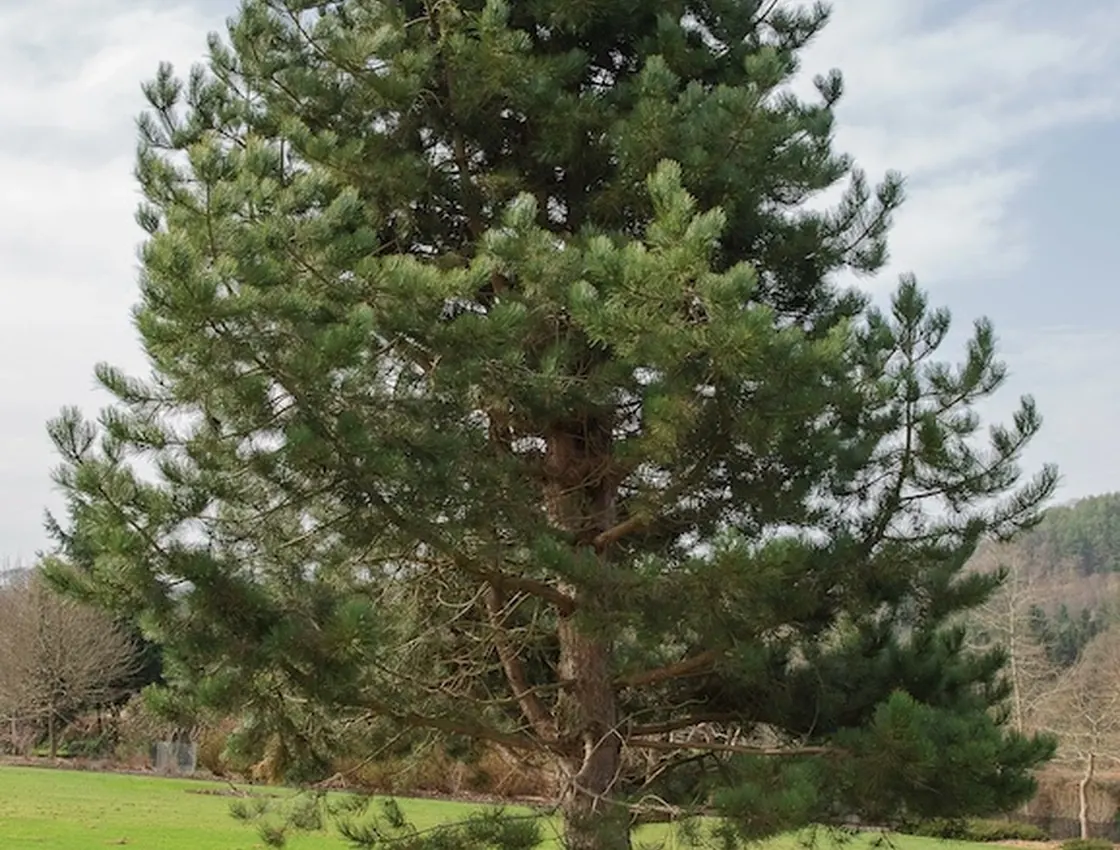
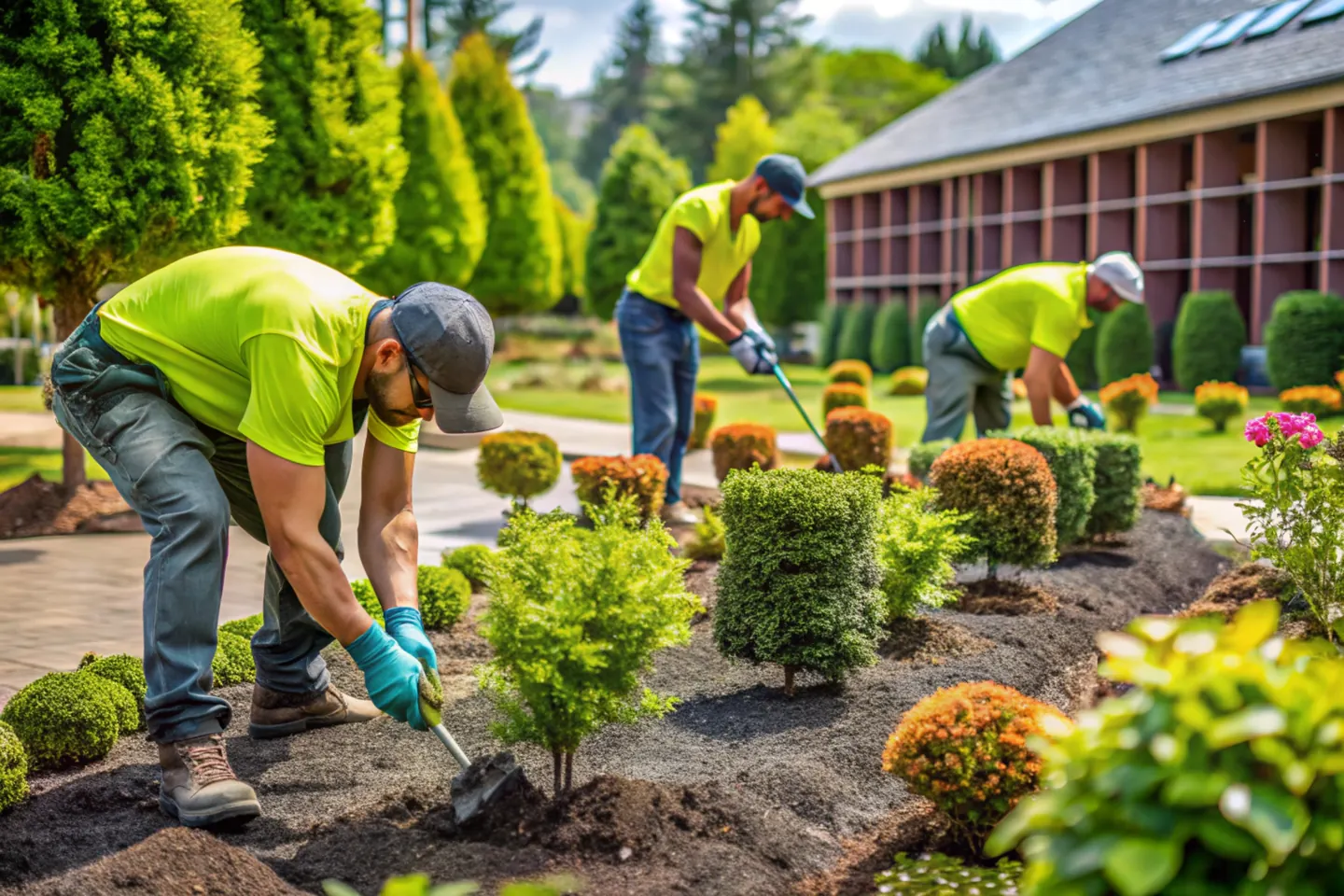
Ficus trees can be valuable shade trees in Mediterranean gardens, but mature crowns may spread towards façades, terraces and neighbouring properties. Different species and individual specimens respond differently to pruning. Terranova Services considers the position of the tree, its structure, the owner's objective and safe access before suggesting work in La Safor or La Ribera Baixa. Removing branches is not a universal way to correct root damage, and a drastic reduction is not a harmless routine operation.
Not all ficus trees respond in the same way
The term ficus covers trees with different growth habits, crown density and branch development. Before advising a cut, we need to identify the specimen and understand whether the customer wants clearance, less shade, deadwood removal or maintenance of a particular shape. An ornamental tree in a small courtyard is not automatically managed like a large shade tree in a community garden. Excessive thinning may expose branches that were previously shaded and alter the appearance that makes the tree valuable. A selective, well-defined objective gives a more useful basis for planning.
Façades, roofs and boundary walls
A ficus can gradually extend over gutters, windows, balconies and garden walls. The first question is which branch is actually causing interference, not how much of the whole crown can be removed. Clearance may be achieved in some cases through careful cuts, but there are limits when substantial structural branches occupy the same space as a building. We ask for photographs showing both the complete tree and the affected façade. Fragile roofs, glass surfaces, electrical lines and shared boundaries may require additional protection or coordination before work is feasible.
Roots and damaged paving
Surface roots can lift paving or interfere with edging, pipes and walls, depending on the species and site conditions. Crown pruning does not automatically stop root growth or repair existing damage. Likewise, cutting large roots without understanding their contribution to stability can create a more serious problem. If a customer is concerned about paving, we should distinguish the existing physical damage from the maintenance of the crown. A suitable assessment may involve examining soil conditions, planting space and the structure of the tree rather than simply cutting branches.
Avoid topping for convenience
Shortening a mature ficus to an arbitrary fraction of its height can create oversized wounds, vigorous regrowth and an unnatural crown. A spectacular immediate reduction may not solve the customer's long-term problem and can increase future maintenance demands. We do not recommend cutting a tree in half just because it has become inconvenient. The appropriate response depends on the species, previous pruning, vitality and available space. Sometimes targeted branch clearance is possible; in other cases the location of the tree presents a broader management question.
Dense crowns, light and ventilation
A dense canopy is not by itself evidence that the ficus needs heavy thinning. Shade can be an important benefit in hot weather, while indiscriminate opening of the crown may remove that advantage. Where light is genuinely restricted or branches are crossing, a cautious review may identify a smaller intervention. The aim is not to force a geometric silhouette on a tree with a naturally spreading habit. Particular care is needed if the specimen has previously been severely cut and now carries clusters of new shoots on old pruning points.
Height, access and safe working methods
Ficus pruning near occupied homes involves risks from heavy branches, cutting tools and falling debris. The work area must be planned so that people, vehicles and fragile garden structures are protected. A tree surrounded by a swimming pool, a covered terrace or high walls may be harder to reach than its height suggests. Depending on the site, controlled lowering or specialist access equipment may be necessary. We cannot confirm a working method from a single close-up picture; a full view of the property and its access is essential.
Choosing the right time
There is no single date that suits every ficus, every size of intervention and every condition. Temperature, growth activity, recent stress and the work's urgency all matter. Large corrective pruning should not be booked solely according to a calendar without examining the tree. Where an immediate safety concern is suspected, the first step is to assess the risk and, if appropriate, restrict access rather than assume that any season makes a severe cut safe. Weather also affects the safe handling of branches and access equipment.
Branch removal and garden cleaning
Ficus crowns may produce considerable bulky green material even when the requested change looks modest from the ground. The quotation should specify whether branches will be cut into pieces, piled on site, loaded for collection or transported to a suitable destination. Protecting paving, irrigation lines and planted beds can require additional preparation. A clean and usable garden after the work is a separate deliverable worth defining in advance. This avoids confusion between the arboricultural intervention and the tidying of the surrounding property.
Information for a quotation
Send a picture of the entire crown, one of the trunk and root area, close-ups of any damage or branches of concern and a view of the access. Tell us the municipality, approximate size and whether the property is a private home or a shared community. Explain what outcome matters most: clearance from a building, access, light, deadwood or an assessment of roots. We can then decide whether photographs are sufficient for an initial indication or whether a site visit and specialist evaluation are needed.
Ficus pruning by municipality
We receive enquiries about ficus in Gandía, Oliva, Cullera and Tavernes de la Valldigna. Each location and property is different; a narrow entrance, a pool beside the trunk or a tree close to a wall changes the proposed method. Municipal restrictions and possible protection must be checked where applicable. The existence of a service page for a town does not mean that a particular tree has been inspected or that a previous job took place there. Specific work is always subject to feasibility and availability.
Why individual assessment matters
Good tree management starts with the reason for intervening and the condition of the actual specimen. We would rather explain why a requested cut is unsuitable than promise that severe topping will solve every concern. A balanced proposal states the expected scope, limits, handling of green waste and any further advice or authorisation required. To start, send photographs and a short explanation of the issue to Terranova Services; we can discuss the next steps without pretending that every ficus needs the same solution.
Additional information
For a quotation, send us photographs and describe the access. The service is subject to safe working conditions and availability.
Tell us about your garden
Send the municipality, a brief description and photographs if you have them. We will confirm the next step and availability.