Pine pruning in La Safor and La Ribera Baixa requires more than cutting whatever looks too long. Pines provide shade and give gardens their character, yet a branch above a roof or a pool, deadwood above a path, and needle fall raise very different questions. Terranova Services reviews the species, size, condition, surroundings and access before suggesting an intervention. This guide explains when selective pruning may be justified, what it cannot solve and what we need to assess an enquiry.
Why a pine is not a hedge
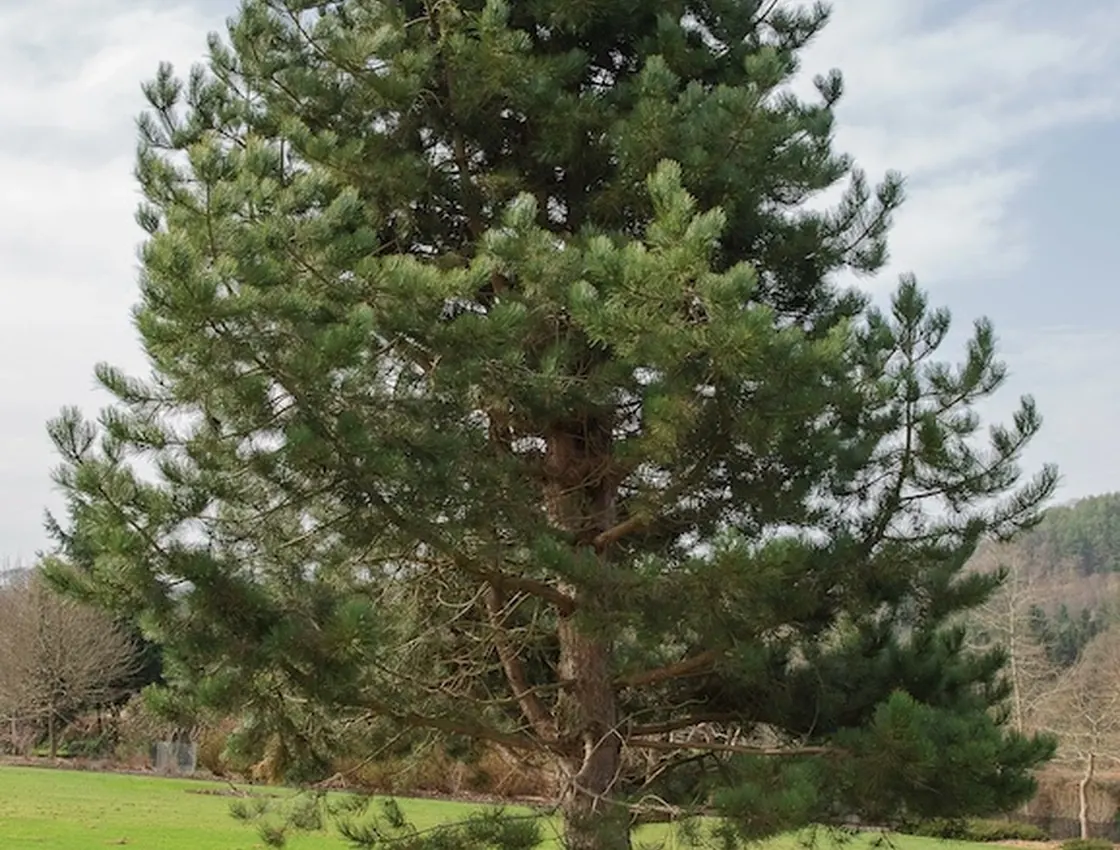
A hedge can often be clipped repeatedly along its outside growth. A mature pine has a very different branch structure and does not respond to severe topping in the same way. Removing the leader or large sections of the crown merely to achieve a chosen height can cause lasting wounds and upset its form. We do not treat reducing a tall pine by several metres as routine maintenance. First we establish the actual concern: clearance, dead branches, a possible defect or simply the amount of litter beneath the tree. The least intrusive sound option is usually preferable.
Dead branches and selective removal
Dead limbs may occur because of age, shading, weather damage or other factors. A small branch away from people is not the same as a heavy limb above a frequently used entrance. We look at the branch position, size and potential consequences before deciding whether and how it should be removed. Cutting near a structural junction without considering the remaining crown can create unnecessary damage. Where branches are high or cannot safely be lowered into an open area, access arrangements and controlled descent affect both the method and the quotation.
Branches above roofs and swimming pools
Older pines sometimes overhang buildings or pools that were added long after the trees were planted. The objective should be specific: gaining clearance from a fragile roof, keeping a passage open or investigating a suspect branch. Removing large areas of foliage may be disproportionate and does not always produce a lasting solution. Nothing should simply be dropped onto tiles, glazing or pool equipment. We assess where branches can be handled, where people must be kept clear and whether specialist equipment or a different approach is needed.
Can a pine be made much shorter?
There is no universal safe height-reduction technique for every pine. Cutting the top off an adult tree is generally not an appropriate shortcut. The tree may not regain its former form and the intervention can introduce new defects without addressing the reason for concern. Sometimes work can focus on a particular limb; sometimes pruning is not advised at all. If the tree no longer fits the property, the available options should be discussed separately, including any permission requirements. An actual concern about stability needs assessment, not cosmetic reshaping.
Needles, cones and garden cleaning
Pine needles, cones and resin are common reasons for an enquiry, but they do not automatically justify crown reduction. Heavy pruning does not guarantee a clean terrace, gutter or swimming pool. Often the more useful solution is regular sweeping, planned cleaning of accessible surfaces or changes to the layout beneath the tree. Tree work and garden cleaning are separate services with different access needs. We can discuss the collection of cones and needles while making clear what is included and what requires a separate quotation.
Signs of decline and uncertainty
Discoloured foliage, damaged bark, snapped branches or fungal growth warrant attention, but no single photograph proves what is wrong. One dead branch does not necessarily mean the whole pine is dying. Note when the change appeared, whether it affects one section or the entire canopy, and whether the ground or the tree's lean has changed. Fresh cracks, unexpected movement or apparent instability call for appropriate specialist advice. Keep people away from an area that could be at risk until it has been evaluated; indiscriminate pruning is not a substitute for diagnosis.
Working at height safely
High pine work involves falling branches, cutting tools, difficult access and the risk of damage to structures. The method may require trained personnel, suitable lifting or climbing systems and a secured ground zone. Domestic ladders are not a sensible substitute for a planned working method. Walls, steep ground, narrow roads and adjoining properties can make access considerably harder than a photograph of the crown suggests. Nearby power lines need to be disclosed before any visit so the correct precautions and coordination can be determined.
Pruning versus removing a pine
Removing a dead limb differs fundamentally from felling a complete tree. Felling may require sectional dismantling rather than a direct drop, with a different safety plan and potentially different authorisations. We do not recommend removing a tree merely because a customer first asked for a height reduction. Ownership, municipal rules and possible environmental protection must be checked, particularly on wooded or sensitive sites. The goal is to explain what each option can and cannot accomplish, without presenting a risky shortcut as standard practice.
What happens to branches and timber?
Even a limited cut can produce a considerable volume of needles, branches and cones. Depending on access and the agreed scope, material can be stacked on site, cut into manageable pieces or transported to an authorised destination. Waste removal is not automatically included in every tree quotation. If you need the garden cleaned and ready for immediate use, say so at the start. We will distinguish the work on the tree from collection, transport and final cleaning so that the proposal is understandable.
Photographs for an initial assessment
Send one photograph showing the entire pine and crown, one of the trunk, another of the branch or issue of concern and at least one of the access from the street. Mention neighbouring roofs, walls, cables and where waste could be removed. Tell us whether you are concerned about deadwood, clearance, needles or possible instability. A rough estimate of height is sufficient; accuracy matters less than a clear picture of the site. We review enquiries in Gandía, Oliva, Cullera, Sueca and surrounding municipalities, subject to safe access and availability.
Frequently asked questions
Do pines need annual pruning?
Not automatically. The need depends on the tree and its actual surroundings, not a universal calendar.
Can the top be cut off to stop growth?
Severe topping can be harmful and should not be offered as a routine solution. The individual pine must be assessed first.
Can branches be taken away?
Collection and transport can be included when specifically agreed in the quotation.
What if the pine is protected?
Applicable protection rules and any necessary authorisation must be verified before work starts.
Additional information
For a quotation, send us photographs and describe the access. The service is subject to safe working conditions and availability.
Tell us about your garden
Send the municipality, a brief description and photographs if you have them. We will confirm the next step and availability.